Introduction
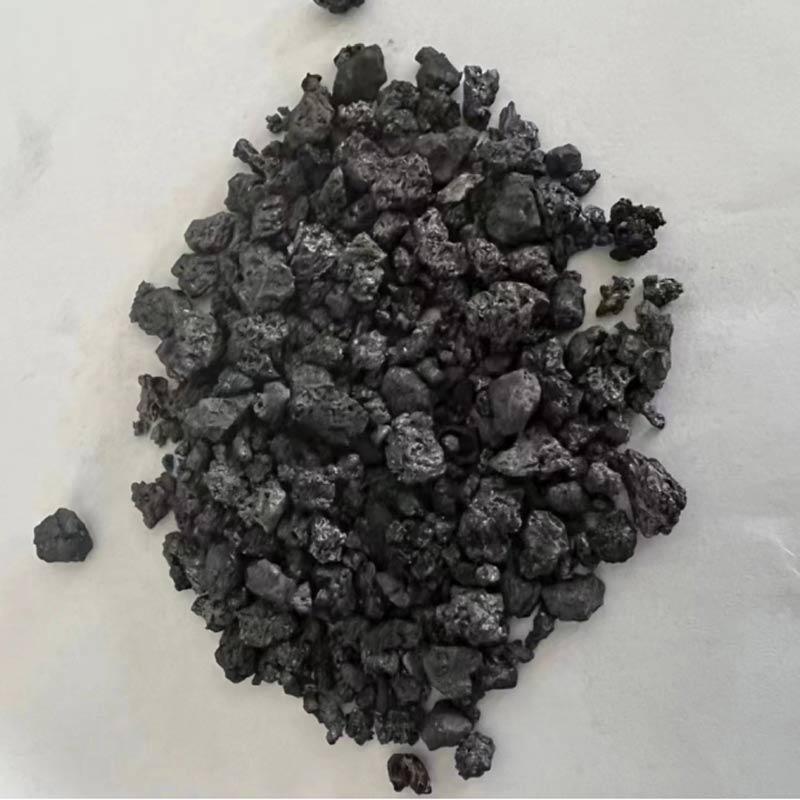
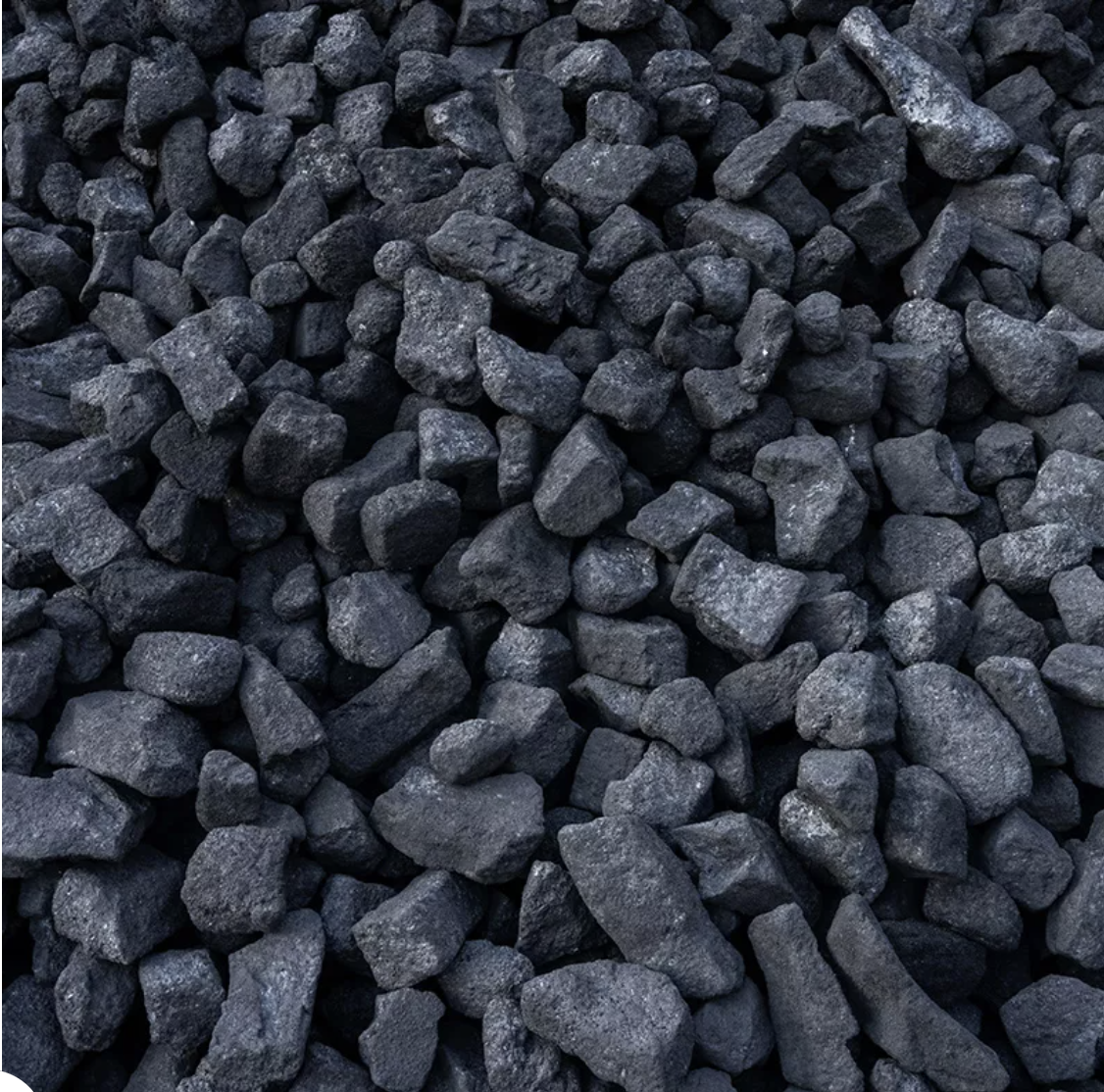
Did you know coke is essential in the casting industry? It acts as both fuel and a reducing agent. Its high carbon content helps achieve the temperatures needed for metal melting.
In this article, we’ll explore five tips to use coke effectively. These tips will improve casting quality, reduce costs, and enhance sustainability. You’ll also learn how metallurgical coke boosts efficiency.
Understanding the Role of Coke in the Casting Process
The Importance of Coke in Metal Melting
Coke is essential in the metal casting industry due to its high calorific value and ability to withstand extreme temperatures. As a key fuel in blast furnaces, it helps maintain the heat required to melt metals like iron and steel. In addition, coke acts as a reducing agent during the reduction of metal ores, aiding in the purification process and ensuring the final cast product has the required mechanical properties.
Metallurgical coke is often used due to its superior quality, with low ash and sulfur content, which leads to cleaner melts and fewer impurities in the final product. Its ability to withstand high temperatures makes it ideal for use in blast furnaces and other high-temperature processes.
How Coke Acts as a Reducing Agent
Coke’s role as a reducing agent is crucial in ensuring the purity of molten metals. In processes such as iron ore reduction, coke helps in the chemical reaction that converts iron ore into molten iron. This step is vital for producing high-quality castings with minimal impurities. Without coke, metal extraction would be inefficient, and the metal quality would suffer.
Metallurgical coke offers superior performance due to its consistent quality. Its low ash content ensures that the final product remains free of impurities, enhancing the overall quality of the metal casting process.
Coke Type | Calorific Value (kcal/kg) | Ash Content (%) | Sulfur Content (%) | Key Characteristics |
Metallurgical Coke | 6,700 - 7,000 | Low | Low | High carbon content, low impurities |
Foundry Coke | 6,000 - 6,500 | Low to Medium | Low to Medium | High calorific value, uniform size |
Coke Breeze | 6,500 - 7,200 | Medium | Medium | Used for sintering or briquetting |
5 Tips to Maximize Coke Usage for Success in Casting
Tip 1: Choose High-Quality Coke for Better Results
The quality of coke significantly affects the casting process. High-quality coke has low ash content, minimal sulfur, and high carbon content. These properties are essential for producing cleaner melts and reducing the likelihood of defects in the final product. Premium coke can improve yield rates, reduce scrap, and ensure that castings meet industry standards for strength and durability.
Using premium metallurgical coke ensures that the castings produced are of superior quality. Its high calorific value and low impurity content ensure cleaner processes and fewer defects.
Tip 2: Optimize Coke-to-Metal Ratios in Furnaces
The coke-to-metal ratio is a critical factor in the melting process. Maintaining the right balance ensures the furnace runs efficiently, helping maintain a steady melt temperature and reducing energy consumption. By optimizing coke usage, foundries can minimize waste, improve energy efficiency, and reduce operational costs. Regular monitoring and adjusting of this ratio can significantly improve overall furnace performance.
Optimal coke-to-metal ratios also help ensure that the coke burns efficiently, providing the necessary heat without excessive waste. This improves both cost-effectiveness and casting quality.
Tip 3: Control the Coke’s Particle Size
The size of coke particles affects its combustion efficiency. Properly sized coke promotes better gas flow and enhances thermal efficiency. Larger, uniform coke blocks are ideal for maintaining a consistent temperature and improving melt rates. Smaller coke particles, on the other hand, may hinder gas flow and lead to uneven heating, reducing the efficiency of the melting process.
Foundry coke, with its uniform particle size and high calorific value, is designed to provide efficient combustion in cupola furnaces. This ensures that the furnace operates at peak performance, minimizing energy costs and maximizing casting quality.
Tip 4: Regularly Monitor Coke Quality
To ensure consistent performance in the furnace, it’s important to regularly monitor coke quality. Testing the coke for volatile matter, fixed carbon, and ash content can help adjust the process to maintain optimal melting conditions. Regular quality checks also help prevent inconsistencies in casting quality and allow adjustments to be made in real-time, leading to better operational efficiency.
Monitoring foundry coke quality is crucial in maintaining optimal furnace conditions. Its low sulfur and ash content, combined with high calorific value, ensure that the furnace maintains high performance throughout the casting process.

Tip 5: Implement Sustainable Coke Practices
Sustainability is becoming a major concern in the casting industry. By adopting eco-friendly practices, such as using recycled coke or alternative fuels like bio-coke, foundries can reduce their environmental footprint. Additionally, optimizing coke usage to minimize waste and improve energy efficiency contributes to a more sustainable and cost-effective casting process. Embracing these practices can help foundries meet regulatory requirements and appeal to eco-conscious customers.
Using metallurgical coke, with its high energy efficiency, can also contribute to sustainability efforts. Its superior quality ensures that fewer resources are wasted, and the casting process is more environmentally friendly.
Practice | Impact on Casting Quality | Efficiency Improvement |
Choosing High-Quality Coke | Cleaner melts, fewer defects | Reduces scrap, improves casting consistency |
Optimizing Coke-to-Metal Ratio | Maintains steady melt temperature | Reduces waste, improves energy efficiency |
Controlling Coke Particle Size | Uniform solidification, fewer defects | Enhances gas flow, reduces energy consumption |
Regular Monitoring of Coke Quality | Consistent metal quality and process control | Reduces downtime, improves operational efficiency |
Cost-Effective Coke Sourcing Strategies
Long-Term Supplier Relationships
Building strong relationships with coke suppliers is an effective strategy for reducing costs. By negotiating bulk purchases and setting long-term contracts, foundries can secure a consistent supply of high-quality coke at competitive prices. A reliable supplier ensures stable pricing, preventing sudden cost increases caused by market fluctuations. Additionally, these stable relationships help guarantee a steady supply of coke, which is crucial for uninterrupted production, reducing downtime, and boosting overall operational efficiency.
Exploring Alternative Coke Sources
Foundries can explore alternative sources of coke to reduce costs while maintaining product quality. Some industries produce by-products that contain coke-like materials, which can be repurposed in casting operations. These alternative sources, such as petroleum coke or recycled coke, often come at a lower cost than traditional coke. By leveraging these materials, foundries can keep costs in check without sacrificing the quality of the final product. Moreover, using by-products reduces waste, contributing to a more sustainable casting process.

Environmental Considerations for Coke Use in Foundries
Reducing the Environmental Impact
The production and use of coke are associated with carbon emissions, contributing to environmental pollution. Foundries should adopt better emission control technologies, such as advanced filtration systems, to reduce the environmental impact of coke use. Furthermore, optimizing casting processes to be more energy-efficient can significantly lower energy consumption and carbon emissions. By minimizing coke waste and improving energy efficiency, foundries can reduce their overall carbon footprint and meet stricter environmental regulations, contributing to a greener industry.
Sustainable Practices for Eco-Friendly Foundries
Sustainability is increasingly important in the casting industry, and adopting eco-friendly practices can help foundries reduce their environmental impact. Using bio-coke, a renewable fuel made from biomass, can significantly decrease reliance on traditional coke. Bio-coke burns cleaner and has a lower environmental footprint, which makes it a sustainable alternative for foundries looking to reduce their carbon emissions. These sustainable practices not only help meet global environmental standards but also enhance a foundry’s reputation among eco-conscious customers and stakeholders, making them more competitive in the market.
Sustainable Practice | Environmental Benefit | Impact on Coke Usage |
Using Bio-Coke | Reduces carbon footprint, biodegradable | Lower environmental impact |
Recycling Coke | Reduces need for new coke production | Minimizes waste and energy consumption |
Optimizing Furnace Efficiency | Less energy consumption, lower emissions | Reduces coke usage and waste |
Exploring Metallurgical Coke's Role in Metal Casting
Metallurgical Coke in Blast Furnaces and Foundries
Metallurgical coke plays a vital role in both blast furnaces and foundries. It serves as both a fuel and a reducing agent in the metal casting process. Its high carbon content allows it to generate the intense heat required to melt metals, while also facilitating essential chemical reactions that remove impurities from ores. This dual functionality is essential for the efficient operation of furnaces and foundries, ensuring that the metal is of high quality and meets the required specifications.
In blast furnaces, metallurgical coke serves as the primary fuel for the reduction of iron ore, which is crucial in producing high-quality molten iron. Similarly, in foundries, coke's high calorific value helps maintain the necessary temperatures for casting metals. The unique properties of metallurgical coke make it an ideal choice for these high-temperature applications, allowing for better control over the casting process and ensuring consistent and reliable results.
How Metallurgical Coke Supports High-Quality Metal Production
The use of high-quality metallurgical coke in metal casting directly influences the final product's quality. Low sulfur, low ash content, and high carbon content are critical factors that ensure the metal’s purity and integrity. These properties help in producing castings that are not only strong and durable but also resistant to wear and corrosion.
Metallurgists depend on the high-quality characteristics of metallurgical coke to maintain consistency throughout the casting process. By minimizing impurities, coke ensures that the metal has optimal strength, which is essential for applications that require long-term durability and performance. Industries such as automotive, aerospace, and construction rely on the use of metallurgical coke to produce metals that meet the stringent standards for strength, reliability, and performance.
Conclusion
Coke is crucial in the metal casting industry. By selecting the right coke, optimizing its usage, and adopting sustainable practices, foundries can improve casting quality and reduce costs. Proper coke management boosts efficiency and helps lower environmental impact. Products like metallurgical coke from Qinxin Energy improve energy efficiency, supporting both sustainability and operational success.
FAQ
Q: What is the role of coke in the casting industry?
A: Coke acts as both a fuel and a reducing agent in the casting process. It provides heat for melting metals and helps in purifying the molten metal.
Q: How does coke quality affect metal casting?
A: High-quality coke, with low ash and sulfur content, ensures cleaner melts, fewer defects, and better casting quality. It helps maintain consistency and reduces waste.
Q: Why is metallurgical coke important in casting?
A: Metallurgical coke is essential for achieving high temperatures and maintaining fuel efficiency in the casting process. It improves both the quality and cost-effectiveness of production.
Q: How can foundries optimize coke usage?
A: Foundries can optimize coke usage by controlling the coke-to-metal ratio, monitoring coke quality, and adjusting particle size. This improves efficiency and reduces overall costs.