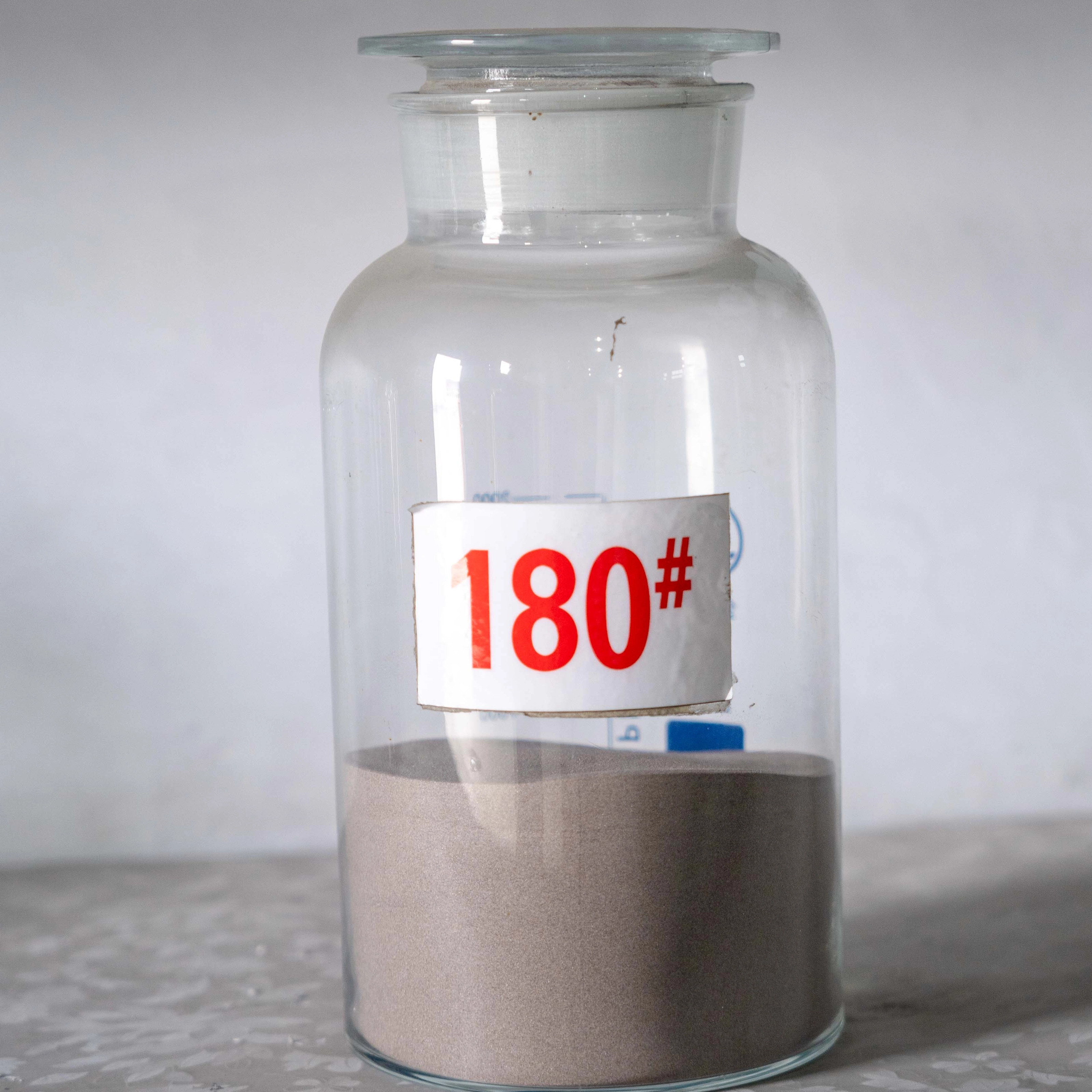
1. Introduction
Brown Fused Alumina (BFA) is a key material in the abrasives industry. Its exceptional hardness and durability make it ideal for grinding, polishing, and surface preparation. BFA’s self-sharpening edges and thermal stability make it indispensable in various sectors. Products like those offered by Qinxin Energy Group enhance the performance of abrasives used in a wide range of applications.
In this article, we explore BFA’s production, properties, and key applications. You’ll also learn how to choose the right type of brown fused alumina oxide for your specific needs.

2. What is Brown Fused Alumina (BFA)?
2.1 The Composition and Production Process of BFA
Brown Fused Alumina is produced by melting high-purity bauxite in an electric arc furnace. The process requires temperatures exceeding 2000°C, which results in the formation of aluminum oxide (Al₂O₃), the primary component of BFA. Alongside aluminum oxide, other elements like iron, titanium, and silicon are present in trace amounts, contributing to its distinct properties.
The molten mass is cooled and then crushed into fine grains. These grains are further processed, screened, and graded according to the desired particle sizes, ensuring that BFA is suitable for various abrasive applications. This high-temperature process gives BFA its characteristic angular and sharp shape, which is essential for effective cutting and grinding.
At Qinxin Energy Group, BFA is crafted with precision and undergoes thorough quality control to guarantee its performance in demanding industrial applications. Their focus on consistent quality ensures that each batch meets high standards for hardness, toughness, and self-sharpening capabilities.
2.2 Key Properties of Brown Fused Alumina
BFA stands out due to its remarkable properties, which make it ideal for abrasive applications:
Hardness: Rated 9 on the Mohs scale, BFA is second only to diamond in terms of hardness, allowing it to effectively grind, polish, and shape tough materials like metals, ceramics, and concrete. This makes it an essential component in heavy-duty applications such as metalworking, foundries, and construction.
Toughness: Unlike more brittle abrasives like silicon carbide, BFA exhibits exceptional toughness, making it ideal for heavy-duty applications where high-impact resistance is required. This toughness allows it to maintain its shape and cutting effectiveness, even under extreme conditions.
Self-Sharpening: BFA maintains its cutting efficiency as it wears down, continually revealing sharp edges for consistent performance. This self-sharpening characteristic is vital for abrasive tools used in precision grinding, ensuring that the abrasive remains effective throughout its life.
Thermal Stability: Withstanding temperatures up to 2000°C, BFA is used in high-temperature applications, including refractories and furnace linings. Its resistance to thermal shock and stability at high temperatures makes it indispensable in industrial sectors that deal with extreme heat.
3. The Role of Brown Fused Alumina in the Abrasives Industry
3.1 Bonded Abrasives: Grinding and Polishing
One of the primary applications of brown fused alumina oxide is in the manufacture of bonded abrasives like grinding wheels and cutting discs. These tools are essential in industries such as metalworking, automotive, and aerospace, where precision grinding of both ferrous and non-ferrous metals is required.
In grinding wheels, BFA’s hardness allows it to efficiently remove material, while its toughness ensures a longer lifespan for the tools. Additionally, its self-sharpening nature means that as the abrasive wears down, new sharp edges are exposed, keeping the grinding process consistent and effective. This self-renewing property ensures that bonded abrasives continue to provide high cutting efficiency, even under heavy loads.
For example, in the automotive industry, grinding wheels made from BFA are used to grind and finish engine components such as cylinder heads, crankshafts, and pistons. BFA’s combination of hardness and toughness makes it ideal for removing material quickly while maintaining a smooth surface finish. Qinxin Energy Group’s BFA products are widely used in the production of grinding wheels, offering reliable performance for demanding applications.
3.2 Coated Abrasives: Sandpaper and Sanding Belts
BFA is also crucial in the production of coated abrasives like sandpaper, sanding belts, and polishing pads. The abrasive particles are adhered to a flexible backing material, allowing for use in surface finishing, sanding, and cleaning applications.
For example, BFA’s sharp and angular particles are used in sandpaper for wood finishing, drywall sanding, and metal polishing. The material’s self-sharpening feature enhances its effectiveness for high-quality surface finishes, especially in precision tasks like automotive detailing or industrial applications. Coated abrasives also offer flexibility and ease of use, as they can be tailored to fit a variety of shapes and sizes, making them indispensable in tasks requiring both precision and efficiency.
3.3 Surface Preparation and Sandblasting
Another significant use of BFA is in surface preparation and sandblasting. BFA’s sharp, angular grains make it ideal for abrasive blasting to remove rust, scale, old coatings, and contaminants from metal surfaces. This is especially useful in industries such as construction, automotive, and shipbuilding, where surface integrity is critical.
In sandblasting, BFA is used in both wet and dry blasting operations. Its reusability in these applications makes it a cost-effective choice. Over time, BFA grains break down, exposing fresh sharp edges, which prolongs the life of the abrasive and ensures optimal cleaning efficiency. Moreover, BFA’s ability to generate a consistent surface profile makes it a preferred material for preparing surfaces for subsequent coatings, such as paints, sealants, and primers.
The BFA offerings from Qinxin Energy Group are specifically designed for high-efficiency sandblasting, providing consistent surface preparation and durability in demanding environments.
3.4 Summary Table: Key Applications of Brown Fused Alumina
| Application Area | Primary Use | Key Benefit |
| Metalworking | Grinding wheels, cutting discs | High cutting efficiency, durability |
| Construction | Concrete grinding, surface preparation | Effective for surface finishing and coating adhesion |
| Electronics | Polishing semiconductor wafers | Precision finish, contamination reduction |
| Automotive | Engine component grinding, surface preparation | Precision, smooth finish |
4. Other Major Applications of Brown Fused Alumina
4.1 Refractories: High-Temperature Resistance in Furnaces
BFA’s thermal stability and high melting point make it an excellent choice for refractory applications. It is used to manufacture products like furnace linings, crucibles, and other high-temperature materials. Its resistance to heat and mechanical wear is crucial in applications like steelmaking, where it is exposed to extreme temperatures.
In high-temperature environments, BFA is used as a primary material in lining kilns, furnaces, and reactors, where it helps maintain structural integrity and prevents heat loss. This makes BFA a key material in industries such as metallurgy, glass production, and ceramics, where equipment must withstand continuous high temperatures without degrading.
4.2 Specialized Industrial Uses: Electronics and Construction
In electronics manufacturing, BFA is employed for polishing semiconductor wafers. This process requires abrasives that can provide a precise and smooth finish without introducing contamination. BFA’s ability to offer consistent roughness makes it ideal for creating the surface profile required for optimal adhesion of coatings and other materials in electronics.
Similarly, BFA is used in concrete grinding and in creating wear-resistant flooring. Its sharp edges and high toughness make it suitable for the preparation of concrete surfaces, ensuring that floors have the proper texture and adhesion characteristics for coating or finishing. These properties make it an essential material for the construction industry, especially in tasks requiring durability and precision.
4.3 Environmental Protection: Diesel Particulate Filters
BFA is used in diesel particulate filters (DPF) for environmental protection. As a filtration medium, BFA helps capture harmful particulates from diesel engine exhaust systems, contributing to cleaner air and supporting regulatory compliance in many regions.
With the rise of environmental awareness and stricter emissions standards, BFA’s role in filtration has become more critical. It helps reduce particulate emissions, which is essential for maintaining air quality and meeting international regulatory requirements for vehicle emissions.
4.4 Summary Table: Major Applications of BFA
| Application Area | Primary Use | Key Benefit |
| Refractories | Furnace linings, crucibles | High-temperature resistance |
| Electronics | Polishing wafers, component finishing | Precision, contamination reduction |
| Construction | Concrete surface preparation, wear-resistant flooring | Durability, effective texture for coating |
| Environmental | Diesel particulate filters | Reduced emissions, cleaner air |
5. Advantages of Using Brown Fused Alumina
5.1 Cost-Effectiveness in Various Industries
One of the main advantages of brown fused alumina oxide is its cost-effectiveness compared to alternatives like white fused alumina (WFA) and silicon carbide (SiC). While WFA offers higher purity, BFA provides a more affordable option without sacrificing too much on performance. This makes it the preferred choice for many large-scale industrial applications where abrasives need to balance cost and effectiveness.
The energy-intensive production process of BFA means that it is generally priced lower than WFA, yet it still maintains excellent performance characteristics. This cost-efficiency makes BFA a popular choice in industries such as construction, automotive, and manufacturing, where large volumes of abrasives are used.
5.2 Performance Benefits: Self-Sharpening and Durability
BFA’s self-sharpening ability ensures that it maintains its cutting efficiency even as it wears down. This characteristic is crucial for abrasive tools used in precision grinding, as it ensures that the abrasive remains effective throughout its life. Its durability also reduces the frequency of replacement, offering significant long-term cost savings.
In the automotive industry, for example, BFA’s durability allows grinding wheels and discs to withstand prolonged use without needing frequent replacements. This performance benefit translates into higher productivity and lower operational costs.
5.3 Versatility Across Industries
Brown fused alumina is incredibly versatile, finding applications in a wide range of sectors. From metalworking to construction and electronics, BFA adapts to different needs. Its ability to function effectively in both light-duty and heavy-duty applications makes it a staple material across various industries.
In metalworking, BFA is used for grinding and polishing, while in construction, it is utilized for concrete grinding and surface preparation. Its versatility ensures that it remains a critical component in manufacturing processes across different fields, making it a valuable investment for companies in multiple industries.
6. How to Choose the Right Brown Fused Alumina for Your Needs
6.1 Grain Size and Shape Considerations
Selecting the right grain size is essential for optimal performance. Coarser grains (e.g., F24-F60) are ideal for aggressive material removal, while finer grains (e.g., F120-F1200) are better for polishing and finishing. The grain shape—angular for cutting or blocky for impact resistance—also plays a key role in determining which BFA product is most suitable for a specific task.
When choosing BFA for grinding or polishing, it’s crucial to match the grain size with the application. For example, heavy-duty grinding operations may require coarser grains, while polishing or fine finishing applications demand finer, smoother grains.
6.2 Evaluating Quality and Performance Metrics
When purchasing BFA, it’s important to evaluate key quality metrics such as purity, bulk density, magnetic content, and grain shape. These factors influence the abrasive’s cutting power, durability, and overall effectiveness. High purity levels, for example, indicate a cleaner abrasive that is less likely to cause contamination during manufacturing processes.
Additionally, understanding the bulk density helps ensure that the material is appropriately compacted for its intended use, particularly in bonded abrasives, where uniformity is critical for performance.
6.3 Specific Application Requirements: Grinding vs. Polishing
BFA is versatile, but the type of application—whether grinding or polishing—requires different grades and specifications. For grinding, coarser, tougher grains are needed for aggressive material removal. For polishing, finer, more uniform grains are essential for achieving smooth finishes without scratches.
Matching the right grade and particle size to the task at hand ensures the best performance and finish quality, allowing industries to optimize their use of BFA and achieve superior results.
7. Comparison of Brown Fused Alumina with Other Abrasives
7.1 White Fused Alumina vs. Brown Fused Alumina
While both white fused alumina (WFA) and BFA share similar hardness, BFA excels in toughness and is more suitable for heavy-duty applications. WFA, on the other hand, offers higher purity, making it more suitable for precision tasks where surface finish is critical. BFA, with its superior impact resistance, is better suited for grinding and polishing applications in metalworking and construction.
7.2 Silicon Carbide vs. Brown Fused Alumina
Silicon carbide (SiC) is sharper and has a higher Mohs hardness (9.5), making it suitable for certain precision applications, but it is more brittle than BFA and wears out faster under heavy stress. In contrast, BFA’s toughness and self-sharpening capabilities make it more durable in demanding applications like sandblasting and surface preparation, where long-lasting performance is crucial.
Conclusion
Brown fused alumina is a vital material in the abrasives industry, valued for its hardness, durability, and versatility. It plays a critical role in grinding wheels, sandpaper, refractories, and environmental filtration. Understanding BFA’s properties helps industries optimize their processes, improving both cost-effectiveness and performance. Products like those offered by Qinxin Energy Group provide exceptional value, delivering durable, high-performance abrasives tailored to various industrial needs.
FAQ
Q: What is brown fused alumina oxide?
A: Brown fused alumina oxide is a high-performance abrasive material produced by fusing bauxite in an electric arc furnace. It is widely used in industries for grinding, polishing, and surface preparation.
Q: How is brown fused alumina oxide produced?
A: Brown fused alumina oxide is produced by melting high-purity bauxite at temperatures over 2000°C in an electric arc furnace. The process results in a hard, durable material suitable for various industrial applications.
Q: What are the advantages of using brown fused alumina oxide in abrasives?
A: It offers high hardness, durability, and excellent resistance to wear, making it ideal for use in grinding, polishing, and cutting applications.
Q: Where is brown fused alumina oxide commonly used?
A: It is commonly used in the production of abrasives, refractory materials, and sandblasting media, as well as in the automotive and aerospace industries.
Q: How does brown fused alumina compare to other types of alumina?
A: Brown fused alumina is known for its balance of durability and cost-effectiveness compared to other types of alumina like white or black fused alumina. It’s versatile for both industrial and commercial uses.