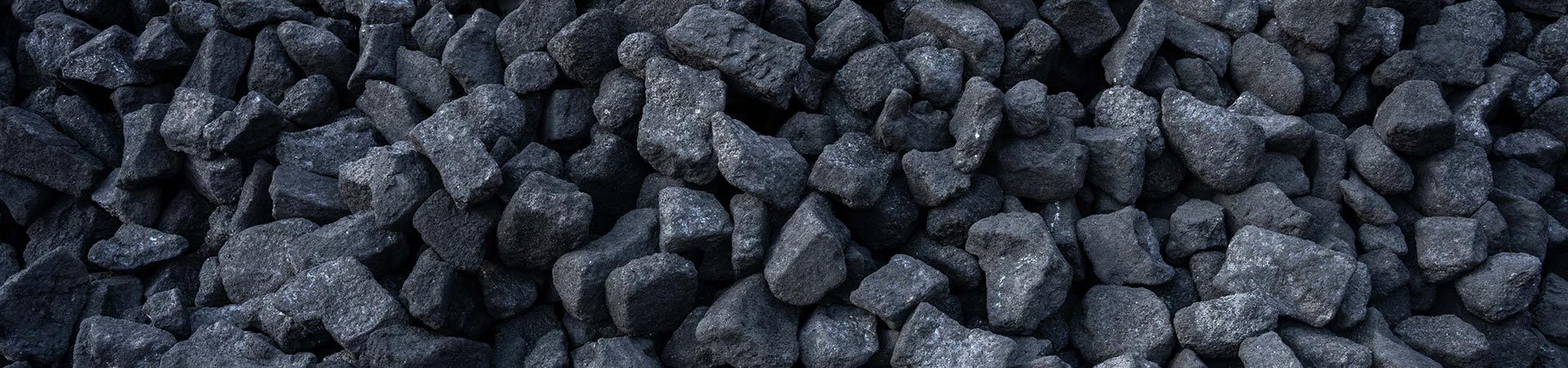
Introduction
Steel production keeps growing worldwide. But carbon often drops during smelting. Why does this matter for steel quality?Carbon Raiser solves this problem. It restores carbon levels in molten metal and improves steel strength.
In this article, you will learn how Carbon Raiser works, where it is used, and why demand in the steel industry keeps rising.
What Is Carbon Raiser and Why It Is Essential in Steelmaking
Definition and Composition of Carbon Raiser
In modern metallurgy, Carbon Raiser is an important additive used to increase the carbon content in molten metal during steelmaking and casting. When metal is melted in furnaces, especially electric arc furnaces or converters, part of the carbon is consumed through oxidation and prolonged heating. Because of this loss, the carbon level in molten iron or steel may drop below the required range. To correct this imbalance, manufacturers add Carbon Raiser to restore the proper carbon concentration and stabilize the metallurgical process.
A Carbon Raiser is typically produced from carbon-rich materials that undergo high-temperature processing. These materials are selected for their high carbon content and low impurity levels. In practical steelmaking operations, the purity of the additive plays a critical role because impurities such as sulfur, ash, or volatile matter can negatively affect steel quality. Most industrial Carbon Raiser products are derived from the following raw materials:
● Petroleum coke – processed through calcination to increase carbon purity and reduce volatile components.
● Graphite materials – often used in high-grade carbon additives due to their high fixed carbon and fast absorption rate.
● Anthracite coal – heat-treated to remove moisture and improve carbon concentration for casting applications.
These materials undergo thermal treatment processes that enhance their carbon structure and remove unwanted substances. The result is a stable carbon additive that dissolves efficiently in molten metal and delivers consistent metallurgical performance.
Carbon Raiser Raw Material | Typical Carbon Content | Main Characteristics | Common Applications |
Calcined Petroleum Coke | 98–98.5% | High purity, stable quality | Steelmaking, ductile iron |
Graphite Petroleum Coke | >98% | Fast absorption, low sulfur | High-grade steel production |
Calcined Anthracite | 85–93% | Economical, moderate purity | Foundry and casting industry |
In practical operations, steel plants often choose different types of Carbon Raiser depending on furnace type, steel grade, and cost considerations. This flexibility allows manufacturers to optimize both product quality and production efficiency.

Why Steel Production Requires Carbon Raiser
Steelmaking is a complex chemical process that involves melting metal at extremely high temperatures. During this stage, the carbon content in the molten material gradually decreases. Several factors contribute to this reduction, including oxidation reactions, long heating times, and the use of scrap steel as a raw material. Because scrap metal often contains inconsistent carbon levels, it becomes difficult to maintain precise chemical composition without adding external carbon sources.
Steel plants rely on Carbon Raiser to achieve several operational goals:
● Maintain the target carbon percentage required for specific steel grades.
● Compensate for carbon loss caused by oxidation during furnace operations.
● Improve the efficiency of scrap-based steel production.
● Reduce reliance on expensive pig iron by adjusting carbon levels directly.
Another advantage of Carbon Raiser is its ability to integrate smoothly into the steelmaking workflow. In many furnaces, it can be added together with scrap steel or introduced directly into molten metal in controlled quantities. This flexibility allows operators to regulate carbon concentration during different stages of the smelting process.
Key Metallurgical Functions of Carbon Raiser
The addition of Carbon Raiser does more than simply increase carbon concentration. It also influences the microstructure and mechanical behavior of the final steel product. Carbon is one of the most important alloying elements in steel. Even small changes in carbon content can significantly affect material properties.
In metallurgical practice, Carbon Raiser contributes to steel performance in several ways:
● Improved hardness and strength
Carbon atoms interact with iron to form stronger crystal structures. This increases the hardness of steel and allows it to withstand greater mechanical loads in structural applications.
● Enhanced wear resistance
Components made from higher-carbon steel show better resistance to abrasion and friction. This property is especially valuable in machinery parts, automotive components, and industrial tools.
● Better control of steel microstructure
The presence of carbon helps determine the formation of pearlite, ferrite, or martensite structures. These microstructures directly influence toughness, ductility, and fatigue resistance.
● More consistent casting performance
In foundry operations, Carbon Raiser supports stable graphite formation in molten iron. This improves fluidity during casting and reduces defects such as shrinkage or porosity.The relationship between carbon content and steel properties is critical for metallurgists. Even small variations can alter the performance of the final product.
Carbon Content in Steel | Typical Steel Category | Key Mechanical Characteristics |
<0.25% | Low Carbon Steel | High ductility, good weldability |
0.25–0.6% | Medium Carbon Steel | Balanced strength and toughness |
>0.6% | High Carbon Steel | High hardness and wear resistance |
Types of Carbon Raiser Used in the Steel Industry
Calcined Petroleum Coke Carbon Raiser
Calcined petroleum coke is one of the most common forms of Carbon Raiser used in steelmaking. It comes from raw petroleum coke that is heated at high temperatures to remove moisture and volatile substances. After calcination, the carbon structure becomes more stable and the fixed carbon content increases significantly. Because of this purification process, the material dissolves more efficiently in molten metal during furnace operations.
Steel plants widely use this Carbon Raiser in electric arc furnaces and converter steelmaking. It helps restore carbon lost during melting and oxidation while maintaining consistent steel chemistry. Compared with other carbon additives, calcined petroleum coke provides a strong balance between cost and metallurgical performance. For many producers, it is the preferred option for large-scale carbon steel production.
Key characteristics include:
● High carbon content
The calcination process raises the fixed carbon level. This helps the additive integrate quickly into molten iron or steel.
● Stable metallurgical behavior
Its porous structure allows steady carbon absorption. Operators can adjust carbon levels without large fluctuations.
● Cost efficiency for industrial steel plants
Many mills choose it for structural steel and general manufacturing applications because it provides reliable performance at a competitive price.
Graphite Petroleum Coke Carbon Raiser
Graphite petroleum coke is a higher-grade Carbon Raiser designed for demanding metallurgical processes. It undergoes an additional graphitization stage at extremely high temperatures. This process reorganizes carbon atoms into a crystalline graphite structure. As a result, the additive contains very high carbon purity and extremely low impurity levels.
Because of these properties, graphite carbon raisers dissolve rapidly in molten metal. They deliver fast carbon recovery and minimize contamination in the steel. This makes them suitable for manufacturing high-quality alloy steels and ductile iron components where chemical precision is critical.
Steelmakers often select graphite-based carbon additives when producing materials that require strict control of composition and performance.
Typical advantages include:
● Fast carbon absorption
The graphite structure allows molten metal to absorb carbon quickly. This shortens furnace reaction time and improves productivity.
● Low sulfur and impurity levels
Clean carbon sources reduce the risk of defects in the final steel product.
● High suitability for premium steel grades
They are frequently used in ductile iron production and high-strength alloy steels.
Calcined Anthracite Carbon Raiser
Calcined anthracite is another widely used Carbon Raiser in foundry and metallurgical industries. It is produced by heating anthracite coal at high temperatures. This heat treatment removes volatile compounds and increases the fixed carbon content. Although its purity is lower than graphite products, it remains a reliable additive for many casting operations.
Many foundries prefer calcined anthracite because it offers stable carbon supplementation at a lower cost. It works well in processes where extremely high purity is not required. In addition, the material gradually releases carbon during smelting, which helps maintain stable carbon levels in molten iron.
Common industrial applications include:
● Gray cast iron production
● Metallurgical smelting operations
● Medium-scale steelmaking and casting processes
How Different Carbon Raiser Types Affect Steel Quality
Different Carbon Raiser materials influence steel quality in different ways. Their carbon purity, impurity content, and absorption rate determine how effectively they adjust the carbon level of molten metal. Steel plants usually evaluate these properties before selecting the appropriate carbon additive.
Key technical factors include:
● Carbon purity
Higher carbon content improves recarburization efficiency and reduces unwanted residues.
● Sulfur level
Low sulfur helps maintain steel toughness and prevents structural weaknesses.
● Absorption rate
Faster carbon absorption improves furnace efficiency and stabilizes the smelting process.
Carbon Raiser Type | Carbon Content | Absorption Speed | Typical Application |
Calcined Petroleum Coke | ~98% | Medium | Carbon steel production |
Graphite Petroleum Coke | >98% | Fast | Alloy steel, ductile iron |
Calcined Anthracite | 85–93% | Slower | Foundry and casting |
Applications of Carbon Raiser Across Steel and Metallurgical Industries
Carbon Raiser in Electric Arc Furnace (EAF) Steelmaking
Electric arc furnace steelmaking relies heavily on scrap steel. Scrap metal often carries inconsistent carbon levels. During melting, oxidation and long heating periods reduce carbon even further. Because of this, operators add Carbon Raiser to restore the correct carbon concentration inside molten steel. It helps stabilize chemical composition and supports the production of different steel grades.
In EAF operations, Carbon Raiser usually enters the furnace together with scrap metal or is added in controlled doses during smelting. It dissolves into molten steel and adjusts carbon levels quickly. This improves production efficiency and helps maintain predictable steel properties during refining.
Typical roles of Carbon Raiser in EAF production include:
● Balancing carbon content in scrap-based steelmaking
Scrap materials rarely contain uniform carbon levels. Carbon Raiser compensates for these variations and stabilizes the steel composition.
● Improving furnace productivity
Faster carbon recovery reduces smelting time. It also helps maintain consistent reaction conditions inside the furnace.
● Reducing raw material cost
By adjusting carbon directly, steel plants can increase the use of scrap steel while reducing dependence on pig iron.
Application Stage | Role of Carbon Raiser | Operational Benefit |
Scrap melting | Restore lost carbon | Maintain target steel composition |
Refining stage | Adjust carbon content | Improve steel quality |
Final adjustment | Fine carbon control | Ensure stable steel properties |
Carbon Raiser in Cast Iron and Foundry Production
In the casting industry, controlling carbon content is critical for producing high-quality iron products. Gray cast iron and ductile iron require specific carbon ranges to achieve proper microstructure. During melting, carbon can be consumed through oxidation or lost during extended furnace holding times. Foundries therefore introduce Carbon Raiser to maintain the desired carbon level in molten iron.
Carbon additives also help regulate the carbon equivalent (CE) of molten iron. This value affects fluidity during casting and determines how metal solidifies inside molds. When CE remains within an appropriate range, molten iron flows smoothly and fills complex mold cavities more effectively.
Carbon Raiser supports foundry operations in several ways:
● Stable carbon control
It helps keep carbon levels within the target range required for gray or ductile iron production.
● Improved casting fluidity
Proper carbon levels allow molten iron to flow better during pouring. This reduces incomplete filling defects.
● Reduced structural defects
High-quality carbon additives promote uniform graphite formation. This improves the mechanical performance of cast components.
Many foundries depend on Carbon Raiser when producing automotive parts, machine bases, pump housings, and industrial castings.
Carbon Raiser in Refractory Materials and High-Temperature Applications
Beyond steelmaking and casting, Carbon Raiser also contributes to the production of refractory materials used in high-temperature environments. Refractories must withstand extreme heat, molten metal, and corrosive slag. Carbon-based additives help improve the thermal performance of these materials.
When manufacturers add Carbon Raiser to refractory mixtures, it enhances both thermal conductivity and structural stability. The carbon particles strengthen the material matrix during sintering. This allows refractory bricks and linings to resist cracking and chemical attack inside furnaces.
Key advantages of carbon additives in refractory production include:
● Improved high-temperature resistance
Carbon helps refractory materials maintain structural integrity even above 1500°C.
● Enhanced corrosion protection
Carbon layers reduce reactions between refractory materials and molten metal or slag.
● Better thermal shock resistance
The material becomes more tolerant to rapid heating and cooling cycles.
These properties make carbon additives valuable in blast furnace linings, steel ladles, and continuous casting molds.
Emerging Industrial Applications of Carbon Raiser
As carbon technology advances, Carbon Raiser is finding new applications beyond traditional metallurgy. Carbon materials play an important role in several modern industries, especially those focused on advanced materials and energy technologies. High-purity carbon sources can serve as raw materials for specialized carbon products.
In chemical and materials engineering fields, carbon additives may participate in high-temperature reactions or carbonization processes. These reactions produce advanced materials that demonstrate strong mechanical strength and excellent thermal stability.
Emerging industrial uses include:
● Carbon materials manufacturing
High-purity carbon sources can be used to produce advanced carbon structures and functional materials.
● Graphite and electrode production
Carbon-rich additives support the formation of conductive graphite components used in industrial equipment.
● Environmental and filtration technologies
Activated carbon derived from carbon materials is used for wastewater treatment and gas purification.
These expanding applications show how Carbon Raiser has evolved from a simple metallurgical additive into an important raw material for multiple industrial sectors.
Conclusion
Demand for Carbon Raiser grows as steel production expands. It helps control carbon and improve metal strength. Qinxin provides reliable Carbon Raiser products. They offer high carbon purity and stable performance. This helps steel plants improve efficiency and product quality.
FAQ
Q: What is Carbon Raiser used for in steelmaking?
A: Carbon Raiser restores carbon levels during steel smelting and improves metal strength.
Q: Why is Carbon Raiser important in electric arc furnaces?
A: Carbon Raiser balances carbon in scrap-based steel production and stabilizes steel quality.
Q: How does Carbon Raiser improve cast iron quality?
A: Carbon Raiser controls carbon equivalent, improving fluidity and reducing casting defects.
Q: What factors affect Carbon Raiser price?
A: Carbon Raiser cost depends on carbon purity, sulfur level, and production process.
Q: How do steel plants choose the right Carbon Raiser?
A: Steel plants select Carbon Raiser based on steel grade, furnace type, and absorption rate.