Introduction
What are carbon emissions? These gases, like CO2, contribute to global warming. As CO2 levels rise, the Earth’s temperature increases, disrupting ecosystems.
In this article, we’ll explore what carbon emissions are and how they affect our planet. You’ll learn about the sources and ways to reduce them, including the role of energy-efficient products from Qinxin Energy.
What Are Carbon Emissions?
Defining Carbon Emissions
Carbon emissions refer to the release of carbon compounds, mainly carbon dioxide (CO2), into the atmosphere. These emissions occur primarily through human activities like burning fossil fuels, industrial processes, and agriculture. Methane (CH4) and nitrous oxide (N2O) are also significant contributors, though less widely discussed. These gases trap heat in the atmosphere, contributing to the greenhouse effect, which leads to global warming.
CO2 is produced when carbon-based fuels such as coal, oil, and natural gas are burned for energy production. Methane, on the other hand, is released from agricultural practices, including livestock digestion and manure, and from decomposing organic waste in landfills. Carbon emissions are also produced by industrial activities such as cement production and steel manufacturing.
Different Types of Carbon Emissions
While carbon dioxide is the most widely recognized greenhouse gas, methane (CH4) and nitrous oxide (N2O) are significantly more potent in trapping heat. Methane, for example, is 25 times more effective than CO2 at warming the atmosphere in the short term. These gases, although in smaller quantities, can have a profound impact on climate change.
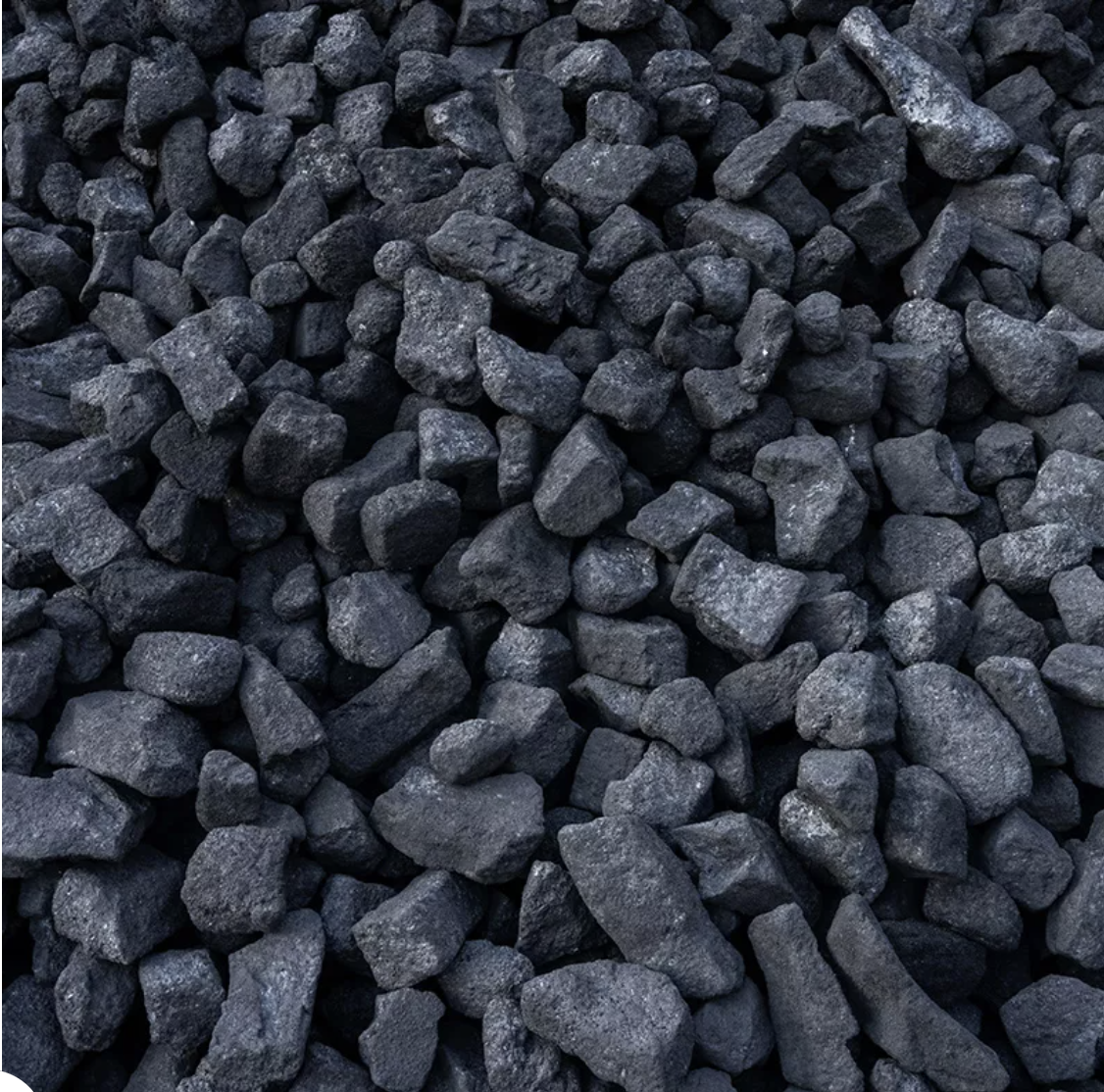
In industrial contexts, materials such as metallurgical coke are used in high-temperature processes. This product, known for its low sulfur content and high calorific value, helps industries optimize energy use and reduce overall carbon emissions during production .
How Carbon Emissions Contribute to Climate Change
When carbon emissions are released into the atmosphere, they trap heat from the sun, raising Earth’s average temperature. This phenomenon, known as the greenhouse effect, leads to global warming and causes disruptions in the planet’s natural systems. The effects include stronger storms, rising sea levels, and shifts in weather patterns, all of which have far-reaching consequences for ecosystems, human populations, and economies.

The Main Sources of Carbon Emissions
Fossil Fuels and Energy Consumption
The largest contributor to global carbon emissions is the energy sector, specifically the burning of fossil fuels for electricity, heating, and transportation. This sector includes energy production for industrial processes, residential and commercial heating, and transportation by cars, trucks, airplanes, and ships. The demand for energy continues to rise as economies grow, leading to increased emissions from these sources.
● Electricity and heat production: This accounts for 29.7% of global emissions, as the burning of coal, oil, and natural gas for energy production releases significant CO2 into the atmosphere.
● Transportation: It contributes 13.7% to global emissions, with cars, planes, and ships releasing CO2 and other greenhouse gases.
In manufacturing, optimizing energy efficiency is essential for reducing emissions. For instance, using high-performance products like foundry coke, which is designed for melting and precision casting, helps improve energy use efficiency and reduces emissions during industrial processes. By using such materials, manufacturers can lower the carbon impact of their operations while increasing overall productivity.
Agriculture and Land Use
Agricultural activities are another significant source of carbon emissions, particularly methane (CH4), which is released during livestock digestion and manure decomposition. The widespread use of synthetic fertilizers also contributes to emissions of nitrous oxide (N2O), a potent greenhouse gas. Additionally, land-use changes, such as deforestation for farming, contribute significantly to carbon emissions by releasing CO2 stored in trees and soil.
Agriculture accounts for 11.7% of global emissions, making it the second-largest contributor to carbon pollution. As the global population grows and demand for food rises, sustainable farming practices will be key to reducing emissions from this sector. These practices include improving soil management, reducing livestock methane emissions, and minimizing the carbon footprint of food production and transportation.
Industrial Processes
Certain industrial processes are responsible for significant carbon emissions. Manufacturing processes, such as steel and cement production, release large amounts of CO2. For example, metallurgical coke, which is commonly used in steel production, plays a critical role in energy optimization. By ensuring efficient combustion and minimizing impurities, this high-performance coke helps reduce the carbon impact of manufacturing operations.
Although the production of materials like steel and cement inherently generates CO2 emissions, using energy-efficient materials, such as metallurgical coke, can significantly reduce these emissions. Companies that optimize their use of such materials can improve their energy efficiency, lower their carbon footprint, and move toward more sustainable manufacturing practices.
Source of Emission | Contribution to Global Emissions (%) | Details |
Energy Production | 29.7% | Includes electricity generation and heating. |
Transportation | 13.7% | Emissions from cars, planes, and shipping. |
Agriculture | 11.7% | Methane from livestock and soil emissions. |
Industrial Processes | 6.5% | Cement, steel production, and chemical processes. |
Waste Management | 3.4% | Methane from landfills and wastewater treatment. |
Why Do Carbon Emissions Matter?
The Environmental Impact
The accumulation of carbon emissions in the atmosphere is a major driver of global warming. Greenhouse gases, especially carbon dioxide (CO2), trap heat and disrupt natural climate patterns. This leads to rising global temperatures and more frequent extreme weather events such as floods, droughts, and wildfires. These disruptions not only damage ecosystems but also threaten the survival of many plant and animal species, pushing biodiversity toward a critical tipping point. As global temperatures increase, the consequences become more severe, affecting vulnerable regions and communities around the world.
The Economic Impact
Carbon emissions don’t only harm the environment; they also have significant economic consequences. As global temperatures rise, industries face increased operational costs due to the effects of extreme weather, such as more frequent floods, storms, and heatwaves. This can lead to damage to infrastructure, higher energy costs, and disruptions in supply chains. Sectors that are heavily dependent on stable weather patterns, such as agriculture, tourism, and insurance, are particularly vulnerable. The financial strain on businesses and governments will only grow as climate change accelerates, affecting overall economic stability and growth.
How Rising CO2 Levels Affect Climate Change
The concentration of CO2 in the atmosphere has increased drastically, rising from about 280 parts per million (ppm) in pre-industrial times to over 420 ppm today. This rapid rise in CO2 levels is a primary contributor to global warming. As CO2 traps more heat in the atmosphere, it accelerates the warming process and leads to extreme climate events. For example, 2024 has been recorded as the warmest year on record, and if CO2 levels remain high, we can expect even more intense climate effects in the future. Rising CO2 concentrations exacerbate the challenges we face in mitigating climate change and adapting to its impacts.
Environmental Impact | Description |
Global Warming | Rising temperatures due to trapped heat. |
Extreme Weather Events | More frequent heatwaves, storms, and flooding. |
Rising Sea Levels | Coastal flooding and erosion. |
Biodiversity Loss | Threats to ecosystems and species. |
Disrupted Ecosystems | Changes in rainfall, temperatures, and habitats. |
Measuring Carbon Emissions
Understanding Carbon Footprint
A carbon footprint measures the total amount of CO2 and other greenhouse gases produced directly or indirectly through various activities. This measurement includes energy consumption, transportation, food production, and waste generation. By assessing an individual’s or organization’s carbon footprint, effective steps can be taken to reduce emissions.
For example, businesses involved in industrial processes can measure their carbon footprint and take action to reduce it by optimizing energy use and adopting better materials, such as foundry coke, which provides energy efficiency benefits.
Emission Scopes: Scope 1, 2, and 3
Emissions are categorized into three scopes:
● Scope 1: Direct emissions from owned or controlled sources.
● Scope 2: Indirect emissions from purchased energy.
● Scope 3: All other indirect emissions across the value chain, including suppliers, waste, and product use.
Scope 3 emissions are often the most challenging to measure but can constitute the largest portion of a company’s total carbon footprint. Accurate measurement across all three scopes is essential for developing effective reduction strategies.

How to Reduce Carbon Emissions
Sustainable Energy Solutions
One of the most effective ways to reduce carbon emissions is by switching to renewable energy sources such as wind, solar, and hydroelectric power. Alongside this, using energy-efficient technologies such as electric vehicles, LED lighting, and heat pumps can also help reduce emissions from everyday activities.
Additionally, products like foundry coke, which have a high calorific value and low sulfur content, help industries reduce their reliance on fossil fuels and cut carbon emissions during production.
Sustainable Agriculture and Land Use
Changing agricultural practices is essential in reducing carbon emissions. This includes supporting plant-based diets, reducing food waste, and implementing reforestation projects to sequester carbon. Sustainable land-use practices that minimize deforestation and preserve natural carbon sinks can significantly reduce overall carbon emissions.
Corporate Actions
Businesses can start reducing their carbon emissions by setting clear goals for sustainability and implementing strategies like:
● Switching to renewable energy sources
● Optimizing energy use in manufacturing
● Reducing waste and emissions from supply chains
Strategy | Description | Effectiveness |
Switch to Renewable Energy | Shift from fossil fuels to wind, solar, and hydropower. | High: Reduces emissions in energy production. |
Energy Efficiency | Use energy-efficient technologies (LEDs, electric vehicles). | Moderate: Lowers emissions from energy use. |
Sustainable Agriculture | Promote plant-based diets and reforestation. | High: Reduces methane and CO2 emissions. |
Improved Industrial Practices | Optimize manufacturing with cleaner materials. | Moderate: Reduces emissions from industrial processes. |
The Role of Governments and Policy
Government Action on Carbon Emissions
Governments play a key role in regulating carbon emissions through policies that promote clean energy, set emission reduction targets, and incentivize sustainable practices. Global efforts, such as the Paris Agreement, aim to limit global warming by reducing CO2 emissions.
The Paris Agreement and Global Targets
The Paris Agreement sets ambitious goals to limit global temperature rise to well below 2°C, with a target of 1.5°C. Achieving these targets requires nations to dramatically reduce carbon emissions and transition to sustainable, low-carbon economies.
Conclusion
Carbon emissions are a primary cause of climate change, leading to global warming and environmental harm. By understanding their sources, we can take steps to reduce emissions. Switching to renewable energy, improving efficiency, and adopting sustainable practices are essential. Industries can reduce their carbon footprint with energy-efficient products like foundry coke, contributing to a more sustainable future.
FAQ
Q: What are carbon emissions?
A: Carbon emissions refer to the release of carbon compounds, mainly CO2, into the atmosphere. These gases contribute to global warming by trapping heat.
Q: Why are carbon emissions harmful to the environment?
A: Carbon emissions increase the greenhouse effect, leading to global warming, extreme weather events, and disruptions to ecosystems.
Q: How can industries reduce their carbon emissions?
A: Industries can reduce emissions by optimizing operations with energy-efficient products like foundry coke, which helps lower energy consumption and emissions.
Q: What is the role of carbon dioxide in climate change?
A: CO2, a major carbon emission, traps heat in the atmosphere, intensifying the greenhouse effect and accelerating global climate change.