Introduction
Why do many industries rely on Brown Fused Alumina?It appears in blasting, grinding, and refractory materials.In this article, we explore what Brown Fused Alumina is used for.You will learn its properties, industrial applications, and how manufacturers choose the right abrasive.
What Is Brown Fused Alumina and Why Is It Important?
Definition of Brown Fused Alumina and Its Industrial Role
Brown Fused Alumina is a durable industrial abrasive made by melting bauxite in an electric arc furnace at temperatures above 2000°C. The cooling process forms tough aluminum oxide crystals. They break into angular grains. These grains cut efficiently during grinding or blasting operations. Because of this structure, Brown Fused Alumina performs well in demanding industrial environments.
Many industries rely on Brown Fused Alumina for surface preparation and metal processing. It removes rust, paint, and oxidation layers quickly. Manufacturers use it in abrasive blasting media, grinding tools, and polishing systems. It also works in refractory production where high heat resistance is required.
Key industrial roles include:
● Surface cleaning and preparation
It removes rust, scale, and old coatings from metal parts. The sharp grains help improve coating adhesion.
● Abrasive tool production
Grinding wheels and sanding belts often contain Brown Fused Alumina because it keeps strong cutting edges.
● Surface finishing processes
It helps polish stainless steel, aluminum components, and precision mechanical parts.

Key Physical Properties of Brown Fused Alumina
Brown Fused Alumina is known for its hardness and durability. These properties allow it to perform efficiently in grinding, blasting, and refractory applications. The fused crystal structure creates strong grains. They resist wear during repeated use.
Hardness is one of its most important characteristics. On the Mohs scale, Brown Fused Alumina reaches about level 9. This high hardness allows it to cut metals and alloys effectively. The grains maintain sharp edges during operation.
Other properties also improve industrial performance:
● High toughness
The grains resist fracture during blasting or grinding. This increases abrasive life.
● High density
Dense particles improve stability and cutting consistency.
● Thermal resistance
The material tolerates extreme temperatures. It works well in furnaces and refractory systems.
Property | Typical Feature | Industrial Benefit |
Hardness | Mohs 9 | Strong grinding performance |
Density | ~3.9 g/cm³ | Stable abrasive structure |
Melting Point | Above 2000°C | Suitable for refractory uses |
Why Brown Fused Alumina Is a Preferred Abrasive Material
Brown Fused Alumina offers a balance between cutting ability and durability. Some abrasives cut quickly but break easily. Others last longer but remove material slowly. Brown Fused Alumina provides a practical middle option. It delivers efficient grinding while maintaining grain strength.
Another advantage is versatility. The material can be processed into different grain sizes for blasting, grinding, or polishing. Coarse particles clean surfaces effectively. Fine powders help achieve smooth finishes.
Industries often choose Brown Fused Alumina because it provides:
● reliable cutting efficiency
● long abrasive service life
● wide industrial application range
● cost-effective performance for large-scale production
How Brown Fused Alumina Is Manufactured
Raw Materials Used to Produce Brown Fused Alumina
The manufacturing of Brown Fused Alumina begins from carefully selected mineral resources. The main raw material is high-grade bauxite, which contains a high percentage of aluminum oxide. Producers combine it with carbon materials such as coke and small amounts of iron filings. These additives support the fusion reaction in the furnace and help adjust the toughness of the final abrasive grains. When the raw materials are stable, the finished abrasive shows more consistent hardness and particle strength.
Typical raw materials used in the process include:
● Bauxite ore
It is the primary aluminum oxide source. High-grade bauxite improves purity and hardness of Brown Fused Alumina. Better raw ore also reduces impurities during the melting stage.
● Coke or carbon material
It supports the reduction process in the furnace. Carbon also helps stabilize the high-temperature reaction.
● Iron filings or mineral additives
Small quantities influence grain toughness and color. They also help control the melting behavior during fusion.
Raw Material | Function in Production | Impact on Final Product |
Bauxite | Primary aluminum oxide source | Determines hardness and purity |
Coke | Supports furnace reaction | Stabilizes melting process |
Iron additives | Adjusts fusion behavior | Influences toughness and color |
Electric Arc Furnace Fusion Process
Once raw materials are prepared, the next step is the electric arc furnace fusion process. In this stage, bauxite and additives enter a high-temperature furnace. Electric arcs generate temperatures above 2000°C, melting the mixture into a molten aluminum oxide mass. This extreme heat transforms the raw minerals into fused crystalline material.
Inside the furnace, the environment must remain carefully controlled. Temperature stability affects the crystal size and structure of Brown Fused Alumina. If the melting temperature fluctuates too much, the abrasive grains may become brittle or uneven. Modern production facilities therefore monitor power input, raw material ratios, and furnace conditions continuously.
Important characteristics of the fusion stage include:
● High-temperature melting
The furnace creates temperatures above 2000°C. Raw minerals fuse into dense aluminum oxide crystals.
● Crystal formation
As the molten mass forms, aluminum oxide crystals begin to develop. Their structure determines toughness and hardness.
● Energy-intensive operation
The fusion stage consumes large amounts of electricity. Efficient furnace design improves productivity and energy control.

Cooling, Crushing, and Grain Formation
After fusion, the molten Brown Fused Alumina leaves the furnace and begins to cool. During cooling, the liquid material solidifies into large blocks of fused alumina. These blocks contain dense crystalline structures formed during the high-temperature melting stage. Controlled cooling helps preserve the toughness of the material.
Once solidified, the large fused blocks undergo several mechanical steps. Crushing equipment breaks them into smaller fragments. Additional grinding machines then reduce them into abrasive particles of different sizes. This crushing process forms angular grain shapes, which create sharp cutting edges during grinding and blasting.
Important processing steps during grain formation include:
● Solidification of fused alumina blocks
Cooling transforms molten material into dense crystalline masses. The structure formed here affects later abrasive strength.
● Primary crushing
Heavy crushers break large fused blocks into manageable fragments. This stage prepares material for further size reduction.
● Secondary crushing and shaping
Smaller crushing systems produce angular grains. These shapes improve cutting performance in abrasive applications.
The angular particle geometry is especially important. Sharp edges increase cutting efficiency during surface preparation and metal grinding.
Screening and Quality Control of Brown Fused Alumina
After crushing, the abrasive grains pass through screening and classification systems. Sieves separate particles into precise grit size ranges. These size grades allow Brown Fused Alumina to serve many different industrial processes, from rough blasting to precision polishing.
Common classification categories include:
● Macro grit sizes
Typically used for abrasive blasting or grinding wheels. These grains provide aggressive cutting performance.
● Fine powders
Used for polishing, lapping, and precision finishing processes. Smaller particles create smoother surface finishes.
● Refractory grain sizes
Larger segments used in refractory bricks and castables for high-temperature equipment.
What Is Brown Fused Alumina Used For in Industry?
Abrasive Blasting and Surface Preparation
In many factories, Brown Fused Alumina is widely used as an abrasive blasting media. Its sharp angular grains strike the surface at high speed. Rust, scale, paint layers, and industrial contamination disappear quickly. The material also keeps its cutting ability during repeated blasting cycles. That durability makes it practical for heavy surface preparation jobs.
Surface preparation matters before coating, welding, or plating. Steel structures need clean surfaces to improve coating adhesion. Abrasive blasting using Brown Fused Alumina creates a slightly rough texture. This texture allows primers, paints, or metal plating layers to bond more effectively.
Typical blasting uses include:
● Rust removal on metal equipment
Ship components, steel beams, and industrial pipes often develop corrosion. Brown Fused Alumina blasting removes rust while preserving the base metal.
● Surface preparation before coating
Automotive parts, machinery frames, and steel plates require clean surfaces. Blasting improves adhesion of paints or protective coatings.
● Cleaning cast or forged components
During metal casting, surfaces often contain sand residue or oxidation. Abrasive blasting removes these contaminants efficiently.
Industries frequently applying blasting processes include:
Industry | Typical Use | Benefit |
Shipbuilding | Cleaning hull plates | Removes corrosion quickly |
Automotive repair | Preparing metal panels | Improves paint adhesion |
Steel fabrication | Surface preparation | Enhances coating durability |
Grinding, Cutting, and Abrasive Tool Manufacturing
Another major application of Brown Fused Alumina appears in abrasive tool manufacturing. Its hardness and toughness make it ideal for grinding and cutting materials. Manufacturers produce grinding wheels, sanding belts, abrasive discs, and polishing tools using these grains. During grinding operations, the abrasive particles gradually wear. Fresh edges appear. Cutting efficiency continues.
Metalworking industries rely heavily on this abrasive material. Grinding wheels containing Brown Fused Alumina shape and smooth metal parts. They work on steel, alloy components, cast iron, and other structural materials. The grains resist fracture during high-speed rotation. Stable cutting performance follows.
Common abrasive products made from Brown Fused Alumina include:
● Grinding wheels
They shape metal parts or remove surface defects. Hard grains maintain cutting performance during heavy grinding tasks.
● Coated abrasives
Sandpaper and sanding belts contain Brown Fused Alumina grains attached to flexible backing materials. These tools smooth surfaces and prepare materials for finishing.
● Bonded abrasives
Grinding discs and cutting wheels combine abrasive grains with bonding agents. The structure supports strong cutting action.
In large manufacturing plants, abrasive suppliers like Qinxin provide Brown Fused Alumina grains in different grit sizes. These particles support abrasive tool producers and metalworking companies that require consistent grinding performance.
Refractory Materials for High-Temperature Applications
Brown Fused Alumina also serves as an important raw material for refractory production. Its melting point exceeds 2000°C. Such thermal stability makes it suitable for high-temperature environments. Furnaces, kilns, and metallurgical equipment often require materials capable of resisting extreme heat and mechanical stress.
Refractory manufacturers use Brown Fused Alumina as aggregates or fillers in refractory bricks and castables. These materials line industrial furnaces and protect structural components from heat damage. The dense crystalline structure helps maintain mechanical strength during long operating cycles.
Typical refractory uses include:
● Furnace lining materials
Industrial furnaces operate at extremely high temperatures. Brown Fused Alumina improves durability and heat resistance of refractory linings.
● Refractory castables and bricks
These components form heat-resistant walls in metallurgical plants or ceramic kilns.
● High-temperature insulation layers
The material reduces structural damage caused by continuous heating and cooling cycles.
Surface Finishing and Precision Polishing
In precision manufacturing environments, Brown Fused Alumina also plays a role in surface finishing. The abrasive grains smooth rough metal surfaces. They remove small imperfections. Fine polishing powders help produce uniform finishes on mechanical parts.
Typical finishing tasks include:
● Polishing stainless steel surfaces
Kitchen equipment, industrial tanks, and mechanical components require smooth finishes for hygiene and corrosion resistance.
● Finishing non-ferrous metals
Aluminum, copper, and brass parts often require polishing to improve appearance and surface performance.
● Precision finishing of mechanical components
Automotive engine parts, tools, and industrial equipment need accurate surface tolerances.
Common finishing applications appear in electronics, automotive manufacturing, and precision machining industries. In these sectors, Brown Fused Alumina supports both aesthetic surface quality and mechanical performance of finished components.
How to Choose the Right Brown Fused Alumina for Your Application
Understanding Brown Fused Alumina Grit Sizes and Forms
When selecting Brown Fused Alumina, grit size is often the first parameter engineers evaluate. Different particle ranges produce different cutting behaviors. Coarse grains remove material quickly. Finer particles polish surfaces gradually. Because of this, abrasive users usually match grit size to the specific task rather than using one universal grade.
Common Brown Fused Alumina forms include:
● Macro grit (F8–F220)
These particles appear in blasting media and grinding wheels. Their angular shape increases cutting force. Metal surfaces can be cleaned or shaped quickly during industrial processing.
● Micro powder (F240 and finer)
Very fine particles support polishing or lapping processes. They gradually smooth metal, ceramic, or glass surfaces while keeping dimensional accuracy.
● Refractory sand sizes
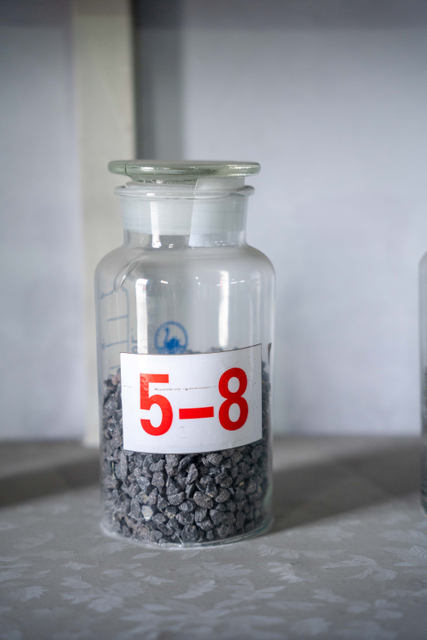
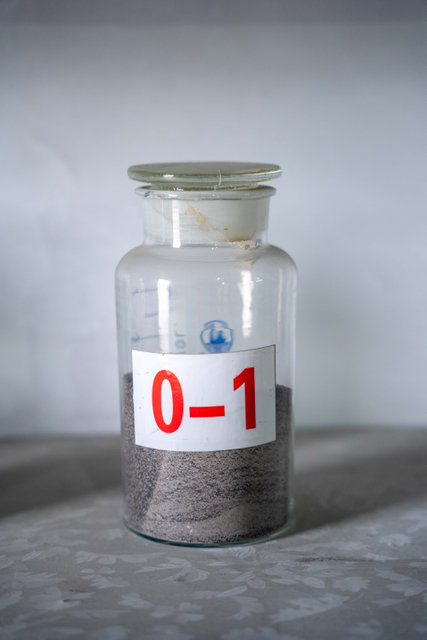
Larger fractions such as 0–1 mm or 1–3 mm are often used in refractory materials. These grains provide mechanical strength and thermal stability in furnace components.
Brown Fused Alumina Form | Typical Size Range | Common Industrial Use |
Macro Grit | F8–F220 | Sandblasting, grinding tools |
Micro Powder | F240+ | Precision polishing, lapping |
Refractory Sand | 0–5 mm segments | Furnace linings and castables |
Selecting the Right Grade and Purity Level
Beyond particle size, the chemical composition of Brown Fused Alumina strongly affects its performance. The aluminum oxide (Al₂O₃) content determines hardness, durability, and cutting efficiency. Higher Al₂O₃ levels usually produce stronger abrasive grains. Lower levels may still work well for blasting or construction applications where extreme precision is not required.
Industrial producers typically offer several grades. Each grade balances cost and performance differently. High-purity Brown Fused Alumina may support precision grinding or abrasive tool manufacturing. Standard grades are commonly used for blasting or refractory production.
Several factors influence grade selection:
● Al₂O₃ percentage
Higher aluminum oxide content improves hardness and wear resistance. Abrasive tools often require higher purity material to maintain stable cutting edges.
● Impurity control
Small amounts of iron oxide or silica influence color and toughness. Controlled impurity levels help maintain predictable grain behavior.
● Operational durability
Stronger grains last longer during grinding or blasting cycles. This reduces abrasive consumption and improves production efficiency.
Suppliers such as Qinxin emphasize stable raw material sources and consistent production control. Their Brown Fused Alumina products support abrasive manufacturers and refractory producers who require uniform chemical composition and reliable grain strength.
Matching Brown Fused Alumina to Specific Industrial Uses
Choosing the correct Brown Fused Alumina also means matching the material to the industrial process. Different manufacturing environments place different demands on abrasive grains. Blasting operations require impact resistance. Grinding tools require consistent cutting edges. Refractory materials demand thermal stability.
Industrial engineers often consider several operating conditions before selecting an abrasive material. Surface hardness, temperature exposure, and finishing requirements all influence the final choice. Selecting the correct grain structure improves efficiency and reduces unnecessary wear of equipment.
Typical selection considerations include:
● Blasting operations
Medium macro grits work well for rust removal and coating preparation. Their angular particles strike surfaces aggressively while maintaining durability.
● Grinding tools and abrasive discs
Consistent grain sizes help maintain stable grinding performance. Uniform particles allow cutting tools to operate smoothly at high speeds.
● Refractory and high-temperature environments
Larger refractory grains improve heat resistance in furnace linings or metallurgical equipment. Their dense crystal structure withstands long heating cycles.
Conclusion
Brown Fused Alumina serves many industries. It supports blasting, grinding, polishing, and refractory production. Its hardness and heat resistance improve surface treatment efficiency. Qinxin provides reliable Brown Fused Alumina with stable quality. Their products help manufacturers achieve durable performance and consistent industrial results.
FAQ
Q: What is Brown Fused Alumina used for?
A: Brown Fused Alumina is used for blasting, grinding, polishing, and refractory materials.
Q: Why is Brown Fused Alumina suitable for abrasive blasting?
A: Brown Fused Alumina has high hardness and angular grains for effective surface cleaning.
Q: How do industries use Brown Fused Alumina in grinding tools?
A: Brown Fused Alumina grains appear in grinding wheels and sanding belts.
Q: What factors affect Brown Fused Alumina performance?
A: Brown Fused Alumina performance depends on grit size, purity, and grain strength.
Q: How do you choose the right Brown Fused Alumina?
A: Select Brown Fused Alumina by grit size, grade, and application needs.