Introduction
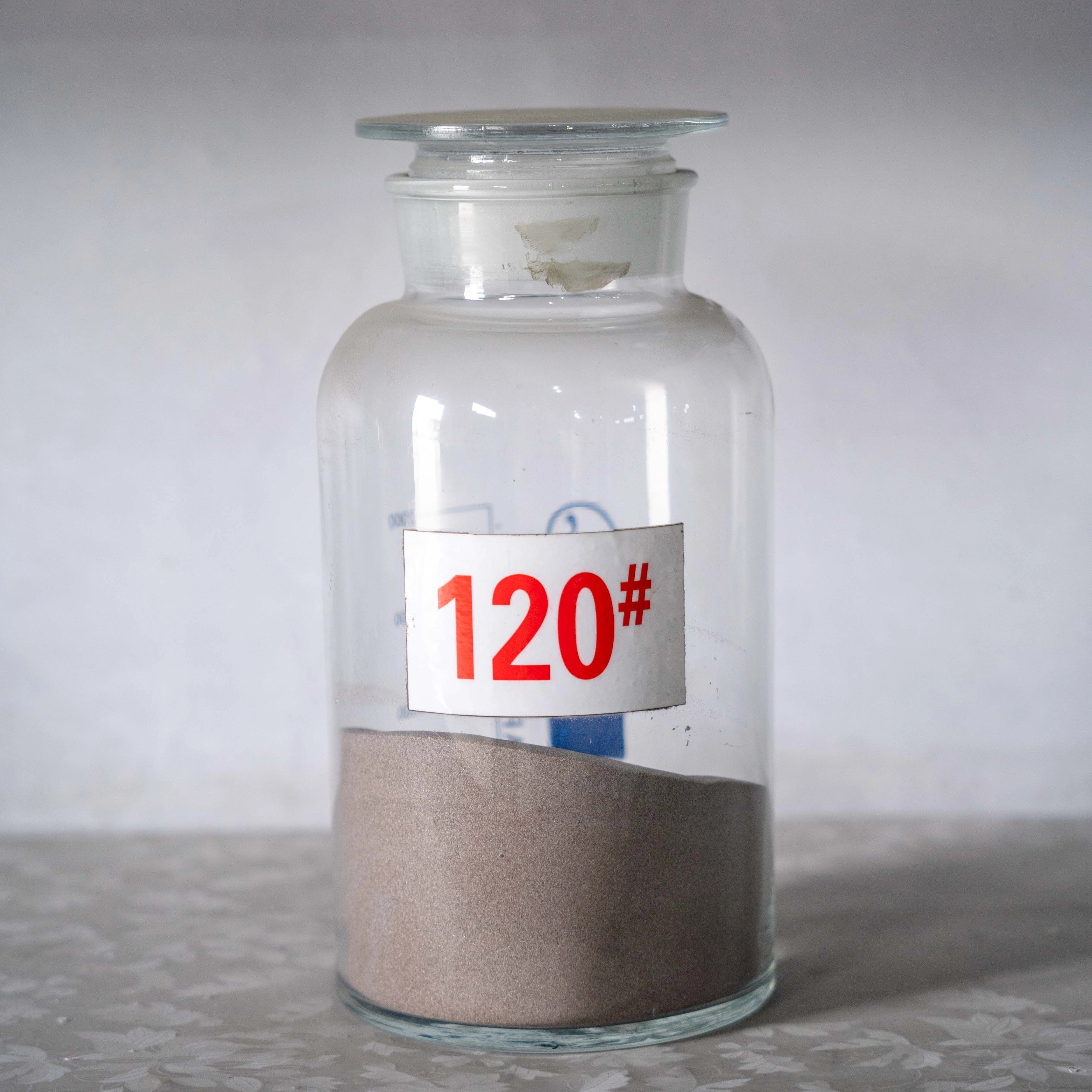
Brown Fused Alumina (BFA) is widely used for grinding, polishing, and sandblasting due to its hardness and toughness. It's essential for heavy-duty industrial applications. However, there are important issues to consider when using BFA, such as health risks, quality variations, and abrasive wear. In this article, we will discuss these concerns and offer insights on how to optimize the use of BFA in your operations. Products like those from Qinxin Energy Group ensure that high-quality BFA is used to enhance performance and safety across various industries.

1. Health and Safety Risks
1.1 Dust Inhalation
Brown Fused Alumina is a granular material used primarily for abrasive processes. During operations such as grinding, polishing, and sandblasting, it can generate fine dust particles. These particles pose significant health risks if inhaled. Prolonged exposure to BFA dust can irritate the respiratory system and eyes. Dust inhalation can cause chronic respiratory issues, especially in workers who are exposed to it over long periods without appropriate protective measures.
BFA dust is made of hard, fine particles that can reach deep into the lungs, potentially causing conditions such as pneumoconiosis and other chronic lung diseases. Inhalation of dust over time can also lead to silicosis, a condition linked to the inhalation of crystalline silica—one of the components of BFA.
| Health Risk | Description | Long-term Effects |
| Dust Inhalation | Fine BFA dust can irritate respiratory system, eyes, and skin. | Chronic lung diseases, pneumoconiosis, silicosis. |
| Respiratory Irritation | Repeated exposure to dust causes breathing difficulties. | Worsening of asthma, increased symptoms of COPD. |
Tip: To minimize risks, ensure proper dust control methods like ventilation systems and water suppression during BFA handling. Regular cleaning of work areas and proper disposal of BFA waste can also help reduce the spread of harmful dust particles.
1.2 Impact on Pre-existing Conditions
For individuals with pre-existing lung conditions, the inhalation of BFA dust can have particularly severe effects. Those with asthma or chronic obstructive pulmonary disease (COPD) may find their symptoms aggravated by exposure to the abrasive dust. The fine particles can increase the frequency of asthma attacks, exacerbate shortness of breath, and accelerate the decline in lung function for COPD patients.
Additionally, workers with cardiovascular conditions may experience worsened symptoms due to the reduced oxygen intake associated with impaired lung function. These health risks highlight the need for workplaces to take extra precautions when handling BFA, especially in environments where workers may already suffer from respiratory conditions.
1.3 Required Safety Precautions
Personal Protective Equipment (PPE) is essential when working with Brown Fused Alumina. Respirators should be worn to prevent inhalation of dust, while gloves and goggles protect against skin irritation and eye damage. Additionally, workplaces must have good ventilation to minimize dust accumulation.
Ventilation systems, such as local exhaust ventilation, can help to capture dust at the source, reducing its spread throughout the workplace. Moreover, safety training programs that emphasize the importance of PPE and safe work practices can go a long way in protecting employees from health risks associated with BFA.
2. Material Quality and Performance
2.1 Impurities in Brown Fused Alumina
One of the challenges with Brown Fused Alumina is the presence of impurities. These impurities include iron oxide, silicon dioxide, and titanium dioxide, which affect the material's performance. These impurities can weaken the abrasive, making it more brittle and less efficient for certain applications.
Iron oxide and silicon dioxide, common impurities in BFA, contribute to a lower wear resistance, meaning the material may wear down more quickly, reducing the overall lifespan of tools. The presence of titanium oxide can also affect the cutting performance, especially in applications where a fine finish is required. These impurities result in reduced efficiency in grinding and polishing operations, making it necessary for businesses to carefully monitor the quality of the BFA they purchase. Qinxin Energy Group’s BFA products are specifically designed to minimize impurities and ensure consistent, high-performance abrasives.
| Impurity | Effect on BFA | Impact on Performance |
| Iron Oxide (Fe₂O₃) | Weakens abrasive grains, reduces wear resistance. | Reduced tool life, uneven grinding performance. |
| Silicon Dioxide (SiO₂) | Makes BFA brittle, prone to cracking under stress. | Increases tool failure rates. |
| Titanium Dioxide (TiO₂) | Affects chemical stability and surface finish. | Poor surface finish, less sharpness in cutting. |
2.2 Inconsistent Quality
BFA’s quality can vary significantly depending on the source and manufacturing process. Some suppliers may use lower-quality raw materials or have less stringent production controls, resulting in variations in purity and performance between batches. This inconsistency can lead to unpredictable grinding performance, tool failure, and inconsistent surface finishes.
Inconsistent quality is a common issue when purchasing from less reputable suppliers. Since BFA is used in critical applications like grinding, where precision is essential, inconsistent material quality can result in defective products or costly rework. Qinxin Energy Group ensures that their BFA products meet the highest quality standards, providing customers with consistent, reliable performance.
2.3 Comparison with White Fused Alumina
Compared to White Fused Alumina (WFA), Brown Fused Alumina generally contains more impurities, which results in lower purity and slightly reduced hardness. For high-precision applications, WFA is often preferred due to its higher purity (~99% Al₂O₃), while BFA’s 95% purity makes it suitable for general grinding and heavier applications where cost-effectiveness is key.
In applications that demand precision, such as optical glass grinding or fine ceramic polishing, White Fused Alumina is the better option due to its ability to maintain a sharp edge and provide a smooth finish. In contrast, BFA is more suitable for tasks like deburring and surface cleaning, where toughness and cost efficiency are more important than precision.
| Material | Purity (%) | Applications | Cost |
| White Fused Alumina (WFA) | 99% | High-precision grinding, polishing, high-grade refractories | Highest |
| Brown Fused Alumina (BFA) | 95% | Heavy-duty grinding, deburring, rust removal | Medium |
3. Abrasive and Tool Wear
3.1 Fracture and Breakage
Brown Fused Alumina is more prone to fracture compared to other abrasives due to its brittleness caused by impurities. The presence of iron and silicon oxides weakens the material, making it more susceptible to breakage under high stress. This fragility can result in frequent tool failure, reduced efficiency, and lower-quality workpieces.
When abrasive grains fracture during grinding, they lose their sharpness, causing them to become ineffective for cutting and finishing. This not only reduces the efficiency of the abrasive material but also increases the frequency of tool replacements, leading to higher operational costs.
3.2 Chemical Wear
Brown Fused Alumina can undergo chemical wear when interacting with certain materials during the grinding process. High temperatures generated during grinding can cause reactions between the abrasive grains and materials like sulfur or phosphorus. These reactions can degrade the abrasive material’s surface, accelerating wear.
In certain applications, such as grinding alloys or metalworking processes, chemical wear can be a significant issue. For example, when grinding stainless steel, the high chromium and nickel content in the metal can react with impurities in the BFA, leading to premature breakdown of the abrasive grains.
3.3 Uneven Wear and Shortened Tool Life
Uneven wear is a common problem with Brown Fused Alumina. As abrasive grains wear down, they may become unevenly distributed, leading to inconsistent grinding results and poor surface finishes. This uneven wear increases the need for frequent tool replacements, which in turn raises maintenance costs and downtime.
The uneven wear of abrasive tools can also affect the overall performance of the grinding process, leading to less effective material removal and more energy consumption.
4. The Importance of Correct Grade and Application
4.1 Selecting the Right Grade of BFA
The grade of Brown Fused Alumina plays a critical role in determining its performance in specific applications. The right grade of BFA ensures that the abrasive material performs optimally, delivering the desired grinding or polishing results.
Coarse grades of BFA are suitable for heavy-duty applications such as steel grinding and sandblasting, where high material removal rates are required. Finer grades, on the other hand, are used in more delicate tasks, such as precision grinding or polishing, where smooth finishes and finer cuts are necessary.
4.2 Avoiding Suboptimal Performance
Using the wrong grade of BFA can lead to poor performance in certain tasks. For example, using a coarse grade in precision grinding tasks can cause rough surface finishes, while using a fine grade in heavy-duty cutting may reduce its efficiency and increase wear. This misapplication of grades can ultimately lead to wasted time and material costs.
5. Alternatives and Cost Considerations
5.1 White and Black Fused Alumina
While Brown Fused Alumina is a cost-effective abrasive material, it may not always be the best option for high-precision or high-purity applications. White Fused Alumina offers higher purity and hardness, making it ideal for fine grinding. Black Fused Alumina, on the other hand, is even more economical and is often used for rough grinding and sandblasting.
5.2 Balancing Performance and Budget
Choosing between different types of fused alumina involves balancing performance needs and cost constraints. BFA provides a good middle ground in terms of cost and performance, making it a reliable choice for many industrial applications. However, for more demanding tasks, higher-purity alternatives like WFA may be necessary.
Conclusion
Brown Fused Alumina is a versatile and widely used abrasive material, offering both toughness and cost-effectiveness for general industrial grinding and polishing. However, its use comes with health risks, including dust inhalation, and potential issues related to material impurities and abrasive wear. By carefully managing these risks and selecting the right grade, businesses can optimize BFA's performance. Qinxin Energy Group's products provide value by ensuring high-quality BFA, helping companies improve both safety and operational efficiency.
FAQ
Q: What is Brown Fused Alumina?
A: Brown Fused Alumina is a durable abrasive material made by smelting bauxite in an electric arc furnace. It’s commonly used for grinding, polishing, and sandblasting due to its toughness and cost-effectiveness.
Q: What are the health risks associated with Brown Fused Alumina?
A: Inhalation of Brown Fused Alumina dust can cause respiratory issues and irritation to the eyes and skin. Prolonged exposure may lead to chronic lung diseases.
Q: How do impurities affect Brown Fused Alumina's performance?
A: Impurities like iron oxide and silicon dioxide make Brown Fused Alumina more brittle and reduce its wear resistance, affecting its efficiency in grinding and polishing.
Q: Why should I choose Brown Fused Alumina for general grinding?
A: Brown Fused Alumina offers a cost-effective solution for heavy-duty grinding. Its good toughness and relatively low price make it ideal for tasks like deburring and surface cleaning.
Q: How can I prevent abrasive wear with Brown Fused Alumina?
A: To reduce abrasive wear, ensure proper grit size and grade selection. Additionally, monitor tool performance and apply optimal grinding conditions.