Introduction
Steel needs intense heat and strong carbon fuel. Metallurgical Coke makes this possible in modern ironmaking.Many industries rely on Metallurgical Coke every day. Yet few people understand how it is produced.In this article, we explore how Metallurgical Coke forms from coking coal. You will learn the production process, quality factors, and why it matters for steel production.
What Is Metallurgical Coke and Why It Matters in Steel Production
What Is Metallurgical Coke and How It Differs from Other Types of Coke
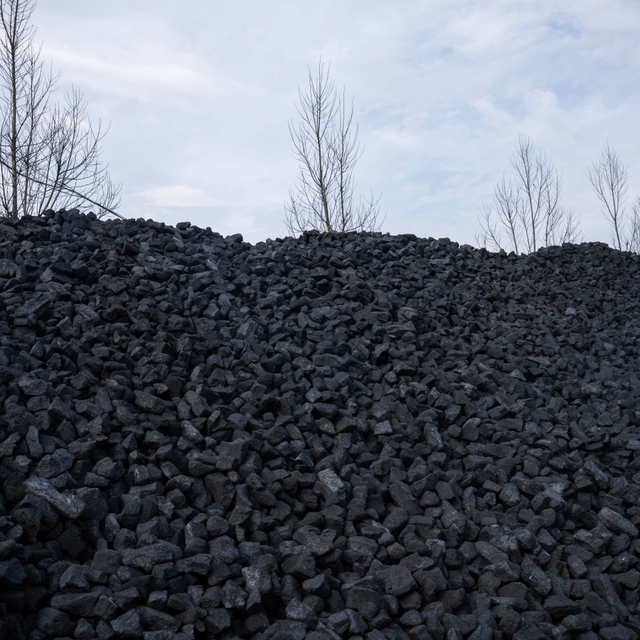
Metallurgical Coke is a high-carbon fuel produced by heating selected coking coal in a coke oven at very high temperatures. The process removes volatile compounds and leaves behind a strong, porous carbon structure. Steel plants rely on this material because it burns hot and reacts chemically inside blast furnaces. Its structure also allows gases to pass through the furnace burden. That gas flow keeps ironmaking reactions stable and efficient.
Key characteristics that define Metallurgical Coke include:
● High fixed carbon content
It contains a high percentage of carbon, which generates strong heat during combustion. The high carbon concentration also helps drive reduction reactions in the furnace.
● Low impurities
Ash, sulfur, and moisture should remain low. Excess impurities increase slag volume and reduce furnace efficiency.
● Porous structure and high strength
Its internal pore structure allows gases to circulate through the furnace burden. Strong mechanical properties help the coke resist crushing under heavy furnace loads.
The table below shows how Metallurgical Coke differs from other carbon fuels used in industry.
Material Type |
Main Source |
Typical Use |
Key Characteristics |
Metallurgical Coke |
Coking coal |
Steel blast furnaces |
High carbon, strong structure, porous |
Thermal Coal |
Coal deposits |
Power generation |
Higher volatile content, lower strength |
Petroleum Coke |
Oil refining by-product |
Aluminum, cement |
High carbon but different physical structure |
The Role of Metallurgical Coke in Blast Furnace Ironmaking
Inside a blast furnace, Metallurgical Coke performs several critical tasks at the same time. It is not only a fuel. It also acts as a chemical agent and a physical support material. This combination makes it irreplaceable in traditional ironmaking technology.
First, it works as a primary heat source. When hot air enters the blast furnace, the coke reacts rapidly with oxygen. That reaction produces extremely high temperatures, often exceeding 2000°C. These temperatures melt iron ore and create the molten metal needed for steel production.
Second, Metallurgical Coke functions as a reducing agent. During combustion, coke produces carbon monoxide gas. That gas reacts with iron oxide inside the ore. The reaction removes oxygen and converts the ore into metallic iron. Without this chemical step, iron cannot be extracted efficiently.
Third, it provides mechanical support for the furnace burden. Layers of iron ore, flux, and coke stack inside the furnace. The coke particles maintain spacing between these materials. That spacing allows gases and molten liquids to move through the furnace without obstruction.
Raw Materials Used to Produce Metallurgical Coke
Understanding Metallurgical Coal (Coking Coal)
Metallurgical Coke begins with a special type of coal called metallurgical coal, often known as coking coal. It forms over millions of years from ancient plant matter buried deep underground. Heat and pressure gradually transform that organic material into carbon-rich coal layers. When this coal is heated inside coke ovens without oxygen, volatile compounds leave the structure and a strong carbon skeleton remains. That solid product becomes Metallurgical Coke, the fuel used in blast furnace ironmaking.
Several types of coking coal are used in the production process. They differ in carbon content, plastic behavior during heating, and volatile matter levels. Steel producers often combine different coal grades because each contributes a different property to the final coke structure.
● Hard coking coal
It has strong caking properties. During heating it softens, swells, then solidifies into a strong coke structure. This type forms the backbone of Metallurgical Coke production and provides mechanical strength inside blast furnaces.
● Semi-hard coking coal
It produces coke with moderate strength. Producers often mix it with stronger coals to balance cost and performance. It helps maintain furnace stability while controlling raw material expenses.
● Semi-soft coking coal
It contains higher volatile matter and weaker coking properties. However, it can improve gas permeability and help regulate coke texture when blended properly.
A critical property of metallurgical coal is plasticity during carbonization. As the coal heats between roughly 350 °C and 500 °C, it becomes soft and plastic. Individual coal particles fuse together and create a continuous mass. When temperatures rise further, gases escape and the structure solidifies into porous coke. Without this plastic stage, strong Metallurgical Coke cannot form.
Type of Coking Coal |
Typical Characteristics |
Role in Metallurgical Coke Production |
Hard Coking Coal |
High carbon, strong caking ability |
Provides coke strength and structure |
Semi-Hard Coking Coal |
Moderate carbon and strength |
Balances cost and coke stability |
Semi-Soft Coking Coal |
Higher volatile content |
Adjusts texture and gas permeability |
Coal Preparation and Blending for Metallurgical Coke Production
Before coal enters the coke oven, it must go through careful preparation. Raw coal from mines rarely has the correct size, moisture level, or composition for direct carbonization. Producers therefore process and blend the coal to ensure stable performance during coking.
Coal preparation usually includes several steps:
● Crushing and sizing
Raw coal arrives in large chunks. Crushing reduces it into smaller particles, typically under several millimeters in size. Uniform particles heat more evenly inside coke ovens. Uneven sizes could create weak zones in the final Metallurgical Coke structure.
● Moisture adjustment
Moisture content strongly affects bulk density and heat transfer. Too much water reduces oven efficiency and delays carbonization. Too little moisture may lead to uneven coal packing and unstable coke formation.
● Coal blending
Different coal grades are mixed according to carefully designed formulas. Blending balances carbon content, volatile matter, plastic behavior, and mineral composition. The goal is a coal charge that produces strong and stable Metallurgical Coke every cycle.
In modern coke plants, preparation systems often run automatically. They combine crushing equipment, conveyors, storage silos, and blending controls. Integrated production lines improve consistency and reduce operational variability.
Preparation Stage |
Purpose |
Impact on Coke Quality |
Crushing and Screening |
Produce uniform coal particles |
Improves heat distribution in ovens |
Moisture Control |
Adjust water content for optimal density |
Enhances carbonization efficiency |
Coal Blending |
Combine different coal grades |
Stabilizes coke strength and structure |
Factors Affecting Raw Material Quality in Metallurgical Coke Manufacturing
Even before carbonization begins, the quality of raw coal determines how Metallurgical Coke will perform inside a blast furnace. Several physical and chemical factors influence the final coke structure and its mechanical strength.
One of the most important parameters is carbon content and volatile matter. High carbon levels provide stronger fuel value and stable furnace reactions. Volatile components, such as methane and hydrogen compounds, escape during heating. If volatile content is too high, the coke may become fragile and porous beyond acceptable limits.
Another key factor is ash and mineral impurities. Ash originates from mineral material in coal, such as silica or alumina. When coke containing high ash levels enters a blast furnace, it increases slag formation. That extra slag consumes energy and reduces furnace productivity.
Important raw material characteristics include:
● Carbon concentration
Higher fixed carbon improves fuel efficiency and reduction reactions in ironmaking.
● Ash and sulfur levels
Lower impurity levels produce cleaner molten iron and reduce slag generation.
● Particle size distribution
Uniform coal particles create consistent coke texture and strength.
● Moisture content
Controlled moisture ensures stable coal packing density in coke ovens.
Step-by-Step Metallurgical Coke Production Process
Charging Coal into Coke Ovens
The production of Metallurgical Coke starts when prepared coking coal enters the coke oven chamber. These ovens are long, sealed chambers where coal heats in an oxygen-deficient environment. Without oxygen, the coal does not burn. Instead, it slowly transforms into a strong carbon material used in blast furnace ironmaking.
Two charging techniques are commonly used in modern Metallurgical Coke plants:
● Top Charging
Coal enters the oven from the top openings. It spreads across the chamber floor and forms a uniform coal layer. Operators level the coal so heat can move evenly through the material during carbonization.
● Stamp Charging
Coal compacts into dense blocks before entering the oven. Mechanical stamping increases bulk density. Denser coal charges usually produce stronger Metallurgical Coke and improve furnace efficiency.
Carbonization and High-Temperature Coking Process
After coal enters the coke oven, the carbonization stage begins. Heat from the oven walls gradually raises the temperature of the coal mass. As temperatures approach 1000–1100°C, the coal undergoes chemical transformation.
During this stage, several reactions occur inside the oven:
● Coal softening and plastic phase
At intermediate temperatures the coal becomes soft and plastic. Particles fuse together and form a continuous mass. This stage allows the coke structure to develop strength.
● Release of volatile gases
Compounds such as methane, hydrogen, and tar vapors escape from the coal. As these gases leave, they create pores within the structure.
● Formation of solid carbon framework
Continued heating strengthens the carbon network. The result is a porous yet strong structure known as Metallurgical Coke.
The carbonization cycle typically lasts 18–22 hours. Once the reaction completes, the coke is pushed from the oven while still extremely hot.
Coke Quenching and Cooling Methods
Fresh Metallurgical Coke exits the oven at temperatures above 1000°C, so it must be cooled before transport and storage. This cooling process is known as quenching.
Two main cooling methods are used in coke plants:
● Wet Quenching
Water sprays directly onto the hot coke. Rapid cooling occurs and large amounts of steam form. This method is simple and widely used, though some heat energy is lost during the process.
● Dry Quenching
Hot coke enters a sealed cooling chamber filled with circulating inert gas. The gas absorbs heat and transfers it to energy recovery systems. Dry quenching improves energy efficiency and helps preserve coke strength.
Cooling speed influences coke quality. Gradual cooling often protects the internal structure and reduces cracking in Metallurgical Coke particles.
Crushing, Screening, and Size Classification of Metallurgical Coke
After cooling, Metallurgical Coke passes through crushing and screening equipment. This step separates the coke into standardized size fractions required by steel plants.
Uniform particle size helps maintain good gas flow in blast furnaces. If too many fine particles exist, airflow becomes restricted and furnace efficiency drops. For this reason, coke plants carefully control the screening process.
Coke Type |
Typical Size Range |
Common Use |
Blast Furnace Coke |
25–80 mm |
Main fuel for blast furnace ironmaking |
Nut Coke |
10–25 mm |
Mixed into furnace burden to improve reactions |
Coke Breeze |
<10 mm |
Used in sintering plants or industrial fuel |
Quality Control and Performance Indicators of Metallurgical Coke
Chemical Properties That Define Metallurgical Coke Quality
The chemical composition of Metallurgical Coke strongly affects blast furnace performance. Steel producers look first at carbon concentration and impurity levels. High fixed carbon means stronger fuel value and stable reduction reactions. When coke burns inside the furnace, carbon reacts with oxygen and forms carbon monoxide. That gas removes oxygen from iron ore and produces molten iron.
Several chemical indicators help evaluate Metallurgical Coke quality:
● Fixed Carbon Content
It represents the main combustible portion of coke. Higher fixed carbon improves thermal efficiency and supports strong reduction reactions. Low carbon levels reduce heating value and may increase fuel consumption inside the furnace.
● Ash Content
Ash comes from mineral materials in the original coal. High ash levels increase slag formation during ironmaking. More slag means higher energy demand and lower furnace productivity.
● Sulfur and Moisture
Sulfur may transfer into molten iron and affect steel quality. Moisture reduces coke heating efficiency and increases energy use during blast furnace operation.
The table below shows typical chemical indicators used to evaluate Metallurgical Coke quality.
Chemical Indicator |
What It Measures |
Impact on Steel Production |
Fixed Carbon |
Carbon percentage in coke |
Determines fuel strength and heat value |
Ash Content |
Mineral residue after combustion |
Influences slag volume and furnace efficiency |
Sulfur |
Sulfur impurities in coke |
Affects steel purity and metallurgical reactions |
Moisture |
Water content in coke |
Reduces heating efficiency and energy output |
Mechanical Strength and Structural Integrity of Coke
Chemical composition alone does not determine Metallurgical Coke performance. Physical strength also plays a critical role. Inside a blast furnace, coke must support heavy layers of iron ore and flux materials. At the same time, gases must move upward through the burden and molten metal must flow downward. Weak coke particles can break into fines and block these pathways.
Several physical characteristics determine coke durability:
● Mechanical Strength
Strong coke resists crushing under high furnace pressure. Strong particles maintain the structural skeleton of the furnace burden. This stability keeps gas flow smooth and supports efficient reactions.
● Porosity and Density
Metallurgical Coke contains a network of pores formed during carbonization. These pores allow reducing gases to circulate through the furnace. Balanced density and porosity provide both strength and permeability.
● Particle Size Distribution
Uniform coke size improves airflow through the furnace column. Large variations create irregular void spaces and disturb furnace gas flow patterns.
Typical structural characteristics of high-quality Metallurgical Coke include:
● Porous internal carbon structure
● Low volatile matter content
● High resistance to abrasion during handling and transport
● Stable particle size after charging into the blast furnace
Maintaining structural integrity ensures efficient blast furnace operation. Coke pieces must survive high temperatures, mechanical stress, and chemical reactions as they descend through the furnace.
Industry Testing Standards for Metallurgical Coke
To evaluate coke performance under real furnace conditions, producers use standardized laboratory tests. These tests simulate high-temperature reactions and mechanical stress. Engineers analyze the results to determine how Metallurgical Coke will behave during ironmaking.
Two widely used indicators are CRI and CSR:
● Coke Reactivity Index (CRI)
This test measures how easily coke reacts with carbon dioxide at high temperature. Coke samples heat in a controlled environment around 950°C. Weight loss indicates how reactive the coke becomes during furnace operation.
● Coke Strength after Reaction (CSR)
After the CRI test, the remaining coke undergoes mechanical tumbling. The percentage of coke remaining in large pieces indicates its strength after chemical reaction. High CSR values usually mean stronger coke in blast furnace conditions.
Additional mechanical evaluations are also used:
● Drum Test
Coke rotates inside a testing drum and repeatedly impacts the walls. Engineers measure the amount of coke remaining in large pieces after rotation.
● Abrasion Resistance Tests
These tests examine how easily coke breaks during transport and furnace charging.
Conclusion
Metallurgical Coke forms through coal carbonization and careful quality control. It supports blast furnace efficiency and stable steel production. Qinxin supplies reliable Metallurgical Coke, combining strong raw material resources, consistent quality, and dependable industrial service.
FAQ
Q: What is Metallurgical Coke?
A: Metallurgical Coke is carbon fuel made from coking coal for blast furnace ironmaking.
Q: How is Metallurgical Coke produced?
A: Metallurgical Coke forms when coking coal heats in oxygen-free coke ovens above 1000°C.
Q: Why is Metallurgical Coke important in steelmaking?
A: Metallurgical Coke provides heat, reduces iron ore, and supports furnace structure.
Q: What affects Metallurgical Coke quality?
A: Fixed carbon, ash, sulfur, moisture, and strength determine Metallurgical Coke performance.
Q: How is Metallurgical Coke tested?
A: Producers test Metallurgical Coke using CRI, CSR, and drum strength evaluations.


