Introduction
The foundry coke market is crucial for industries like metal casting and automotive production. As global demand grows, especially in emerging economies, the need for high-quality foundry coke increases. This article explores the market’s size, trends, and challenges. You will also learn how Qinxin Energy’s premium foundry coke meets these demands with high-performance solutions.
What is Foundry Coke?
Definition and Characteristics
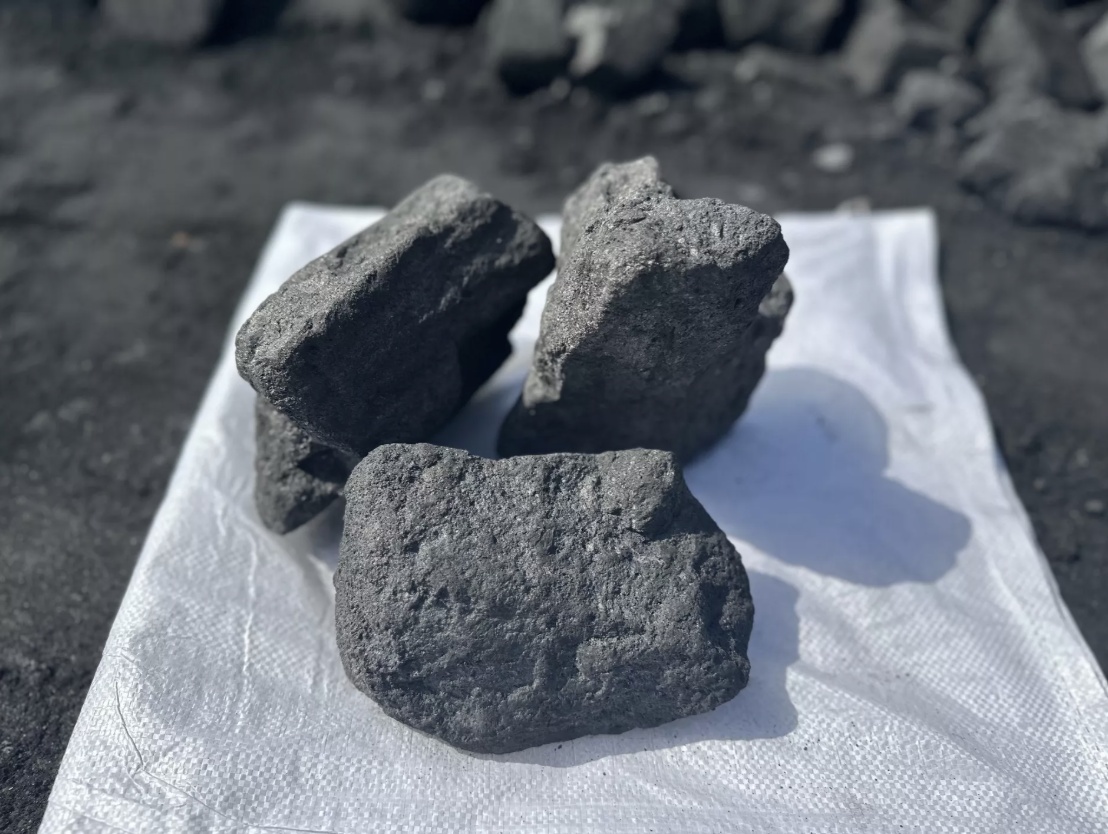
Foundry coke is a specific type of coke that is used in the casting industry. It is produced by heating bituminous coal in coke ovens in a process known as carbonization. Foundry coke is used primarily in cupola furnaces, which are essential for melting and refining metals like iron. The primary function of foundry coke is to act as a fuel source for melting metal and to provide the necessary chemical properties to produce high-quality metal castings.
Unlike metallurgical coke, which is primarily used for steelmaking, foundry coke is specifically tailored to support the needs of the foundry industry, where its performance directly impacts the quality of metal castings.
Key Properties of Foundry Coke
Foundry coke possesses several distinct characteristics that make it ideal for casting. These include:
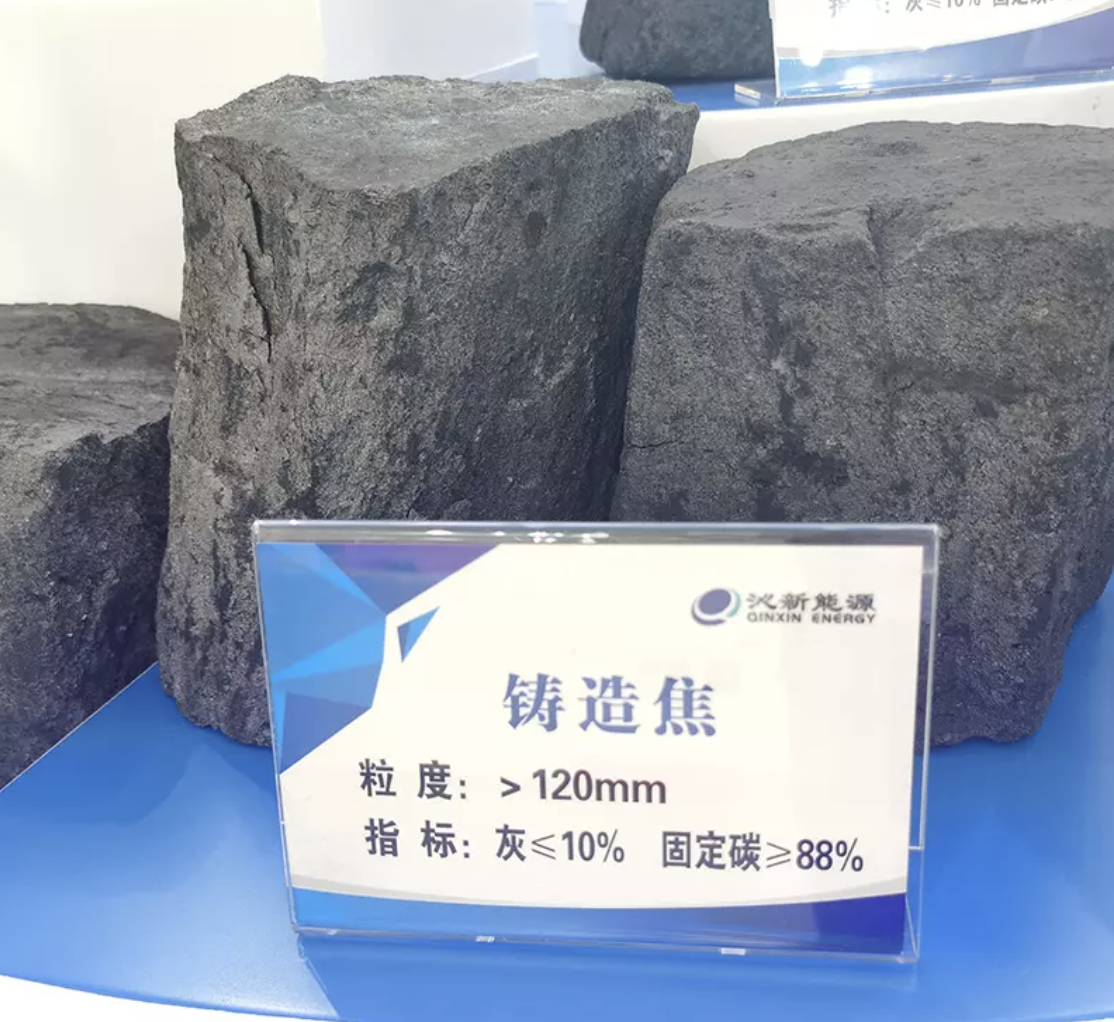
● Low Ash Content: Typically below 10%, this ensures cleaner molten metal and higher-quality castings.
● Low Sulfur Content: Low sulfur levels (≤0.6%) prevent contamination during metal casting, which is especially important for producing high-quality iron and steel.
● High Calorific Value: A calorific value of at least 7200 kcal/kg allows for efficient energy use during the melting process.
● Durability: High drop strength ensures that the coke remains intact during transportation and handling, without significant degradation.
These properties contribute to the overall efficiency of the melting process and the purity of the final product, which is critical in industries like automotive manufacturing and machinery production.
Types of Foundry Coke
Foundry coke comes in various grades, with differences in ash content, sulfur levels, and calorific value. These variations are chosen based on the specific requirements of the metal casting process. The most common types of foundry coke are:
● Premium Grade: This type is typically used in high-performance casting processes, especially for automotive and precision metal parts. It offers low ash, low sulfur, and high calorific value for efficient and cleaner melting.
● Standard Grade: More commonly used for general-purpose casting but with slightly higher ash content and lower durability compared to premium grade coke.
The choice of coke grade largely depends on the specific requirements of the casting process, such as the quality of the metal required and the type of furnace used.

The Foundry Coke Market Overview
Market Size and Growth Projections
The global foundry coke market was valued at approximately $3.2 billion in 2024 and is projected to reach $4.77 billion by 2032, growing at a compound annual growth rate (CAGR) of 5.2% during the forecast period. This growth is driven primarily by increasing demand from industries such as steel, automotive, and construction, especially in emerging economies like China and India.
As these industries continue to expand, the need for high-quality foundry coke remains a key factor in producing the metal parts and components required for production. Additionally, as manufacturers seek to adopt more efficient and environmentally friendly practices, the demand for cleaner, low-emission foundry coke is also expected to rise.
Key Market Drivers
Several factors contribute to the growing demand for foundry coke, including:
● Rising Demand from Steel and Metal Industries: Foundry coke is critical in the production of high-quality metal castings, particularly in steel production. As the demand for steel and other metals rises, so does the need for high-quality foundry coke to ensure the quality of the cast products.
● Technological Advancements: The adoption of cleaner and more efficient coke production technologies is boosting the demand for high-quality coke. This includes innovations in coke production processes that improve efficiency and reduce emissions.
● Sustainability Initiatives: As industries push for greener production methods, the need for low-emission foundry coke has increased, especially in environmentally-conscious regions. Governments are also implementing stricter environmental regulations, further driving the demand for sustainable coke products.
Regional Market Insights
The demand for foundry coke is distributed unevenly across regions, with Asia-Pacific being the largest and fastest-growing market. The primary factors influencing regional demand include:
● Asia-Pacific (APAC): Rapid industrialization, particularly in China and India, drives demand. This region is projected to account for 40% of the global market share by 2032.
● North America and Europe: These regions continue to be significant players, driven by the established presence of metal casting industries and a focus on high-quality coke grades.
Foundry Coke Market Segmentation by Region
Region | Market Share 2024 | Projected Growth Rate (CAGR) |
Asia-Pacific (APAC) | 40% | 5.5% |
North America | 30% | 4.0% |
Europe | 25% | 3.5% |
Rest of the World | 5% | 5.2% |
Key Drivers of Foundry Coke Market Growth
Growing Demand from End-Use Sectors
The automotive sector plays a pivotal role in the demand for foundry coke, as it is essential in producing components like engine blocks, cylinder heads, and transmission parts. As the automotive industry continues to expand, particularly in emerging markets, the demand for precision casting products increases, which in turn drives the demand for high-quality foundry coke.
The steel industry’s expansion also drives demand for high-quality coke due to its use in melting metal and producing high-quality alloys. As infrastructure development increases worldwide, particularly in developing economies, the demand for foundry coke is expected to grow.
Technological Innovations
The foundry coke market is witnessing significant technological advancements aimed at improving production efficiency and reducing environmental impact. These innovations include:
● Cleaner Production Methods: The adoption of low-ash and low-sulfur coke varieties is gaining traction, helping meet global environmental standards. This allows foundries to operate more efficiently while minimizing harmful emissions.
● Automation and AI: Real-time monitoring and automation in coke production processes improve product consistency, reduce waste, and enhance the overall quality of the final product. Automation also helps in maintaining a consistent supply of coke, ensuring that demand is met without interruption.
Sustainability Efforts
The increased focus on sustainability has led to a shift towards low-emission foundry coke. Many foundries are now seeking environmentally friendly alternatives to traditional coke, driven by regulatory pressures and consumer demand for green manufacturing practices. As a result, manufacturers like Qinxin Energy are innovating to offer products with low sulfur and low ash content, which are better for the environment and more efficient in the casting process.

Challenges in the Foundry Coke Market
Environmental and Regulatory Challenges
Foundry coke production faces several environmental challenges, particularly concerning emissions. The need to reduce carbon footprints is leading to regulatory pressure on manufacturers to adopt cleaner technologies and improve efficiency. Companies that fail to meet environmental regulations may face penalties, which could affect the profitability of their operations.
Price Volatility and Supply Chain Issues
Fluctuating prices of raw materials like coking coal, which are essential in producing foundry coke, pose a challenge. Additionally, supply chain disruptions, particularly in regions affected by geopolitical tensions, can lead to price instability and delivery delays. These issues can significantly affect the cost and availability of foundry coke, especially in critical industries like automotive manufacturing.
Competition from Alternative Materials
The rise of electric furnaces and the increasing use of aluminum in some casting processes are posing a threat to the traditional demand for foundry coke. As industries seek cost-effective and efficient alternatives, the foundry coke market must adapt. Alternative materials, like aluminum, are often viewed as more sustainable and cost-effective for certain applications, which could diminish the market share for traditional foundry coke.
Sustainability in the Foundry Coke Market
The Push for Low-Emission Foundry Coke
Environmental regulations across the globe are driving the demand for low-emission foundry coke. The focus is on producing coke with low sulfur, phosphorus, and ash content to ensure cleaner melting processes in metal casting. Manufacturers that offer low-emission coke varieties, like Qinxin Energy, are gaining traction in the market due to their ability to help foundries meet sustainability goals.
Role of Carbon Capture and Storage (CCS)
As governments push for sustainability, carbon capture technologies are being integrated into coke production. These innovations aim to mitigate the environmental impact of foundry coke by capturing carbon emissions during production. Companies investing in CCS technologies will likely gain a competitive edge in the marketplace, as they will be better positioned to meet future regulatory requirements and reduce their carbon footprint.
Eco-Friendly Manufacturing Practices
Manufacturers are adopting eco-friendly practices such as using renewable energy sources and recycling waste heat to reduce their carbon footprint. Companies like Qinxin Energy are at the forefront of these initiatives, offering high-performance, low-emission coke varieties for industries seeking to reduce their environmental impact.
Foundry Coke Quality Specifications
Property | Specification Range |
Ash Content | ≤10% |
Sulfur Content | ≤0.6% |
Calorific Value | ≥7200 kcal/kg |
Fixed Carbon | ≥88% |
Drop Strength | ≥97-98% |
Conclusion
The global foundry coke market is growing rapidly, driven by demand from industries like automotive, steel, and construction. Technological advancements are shaping the market, making sustainability and high-quality production key focuses. Qinxin Energy provides reliable, high-performance foundry coke, offering an essential solution for industries. With efficient logistics and innovative production processes, Qinxin Energy ensures that clients worldwide have access to high-quality products, driving industrial efficiency.
Tip: For businesses looking to maintain a competitive edge, focusing on low-emission and high-quality foundry coke production will be essential as environmental regulations become more stringent. Qinxin Energy’s products offer the ideal solution for companies seeking to meet both quality and sustainability standards.
FAQ
Q: What is foundry coke used for?
A: Foundry coke is primarily used in metal casting, especially in cupola furnaces for melting iron and producing high-quality castings for industries like automotive and construction.
Q: Why is Qinxin Energy’s foundry coke preferred?
A: Qinxin Energy’s foundry coke is known for its low ash and sulfur content, high calorific value, and durability, ensuring cleaner and more efficient casting processes.
Q: How does foundry coke affect the casting process?
A: Foundry coke’s high calorific value and low sulfur content contribute to efficient metal melting and prevent contamination, improving the quality of castings.
Q: What is the projected growth of the foundry coke market?
A: The foundry coke market is expected to grow significantly, driven by increased demand from key industries like steel, automotive, and construction, with a CAGR of 5.2% by 2032.