Introduction
What is a carbon footprint? It measures the total greenhouse gases emitted by our activities. These gases, like CO2 and methane, contribute to climate change. Understanding your carbon footprint is key to reducing environmental harm.
In this article, we’ll explain what a carbon footprint is and why it matters. You’ll also learn how Qinxin Energy products, like foundry coke, help reduce emissions.
What Is a Carbon Footprint?
Understanding the Basics
A carbon footprint refers to the total amount of greenhouse gases emitted directly or indirectly due to human activities. The primary contributor is carbon dioxide (CO2), but other gases like methane and nitrous oxide are also included in this measurement. These gases are often expressed as carbon dioxide equivalents (CO2e), a standardized metric used to compare the impact of different gases on global warming.
Key Components of a Carbon Footprint
A carbon footprint consists of several components, each contributing to its overall size:
● Energy Consumption: The burning of fossil fuels for electricity, heating, and transportation significantly contributes to an individual's carbon footprint. This includes both direct emissions from fuel usage and indirect emissions from electricity production.
● Transportation: Emissions from vehicles, airplanes, trains, and ships all add up over time. Whether it's daily commuting or long-distance travel, transportation plays a large role in the carbon footprint.
● Food Production and Consumption: The process of growing, processing, packaging, and transporting food results in carbon emissions. Agricultural practices, especially livestock farming, are among the largest contributors.
● Goods and Services: The production, packaging, and disposal of goods and services also add to carbon emissions. Manufacturing processes, transportation of goods, and waste management each contribute to the overall footprint.
● Waste: Landfills and waste treatment processes release methane and other greenhouse gases. Waste management and recycling efforts can help reduce this aspect of the carbon footprint.
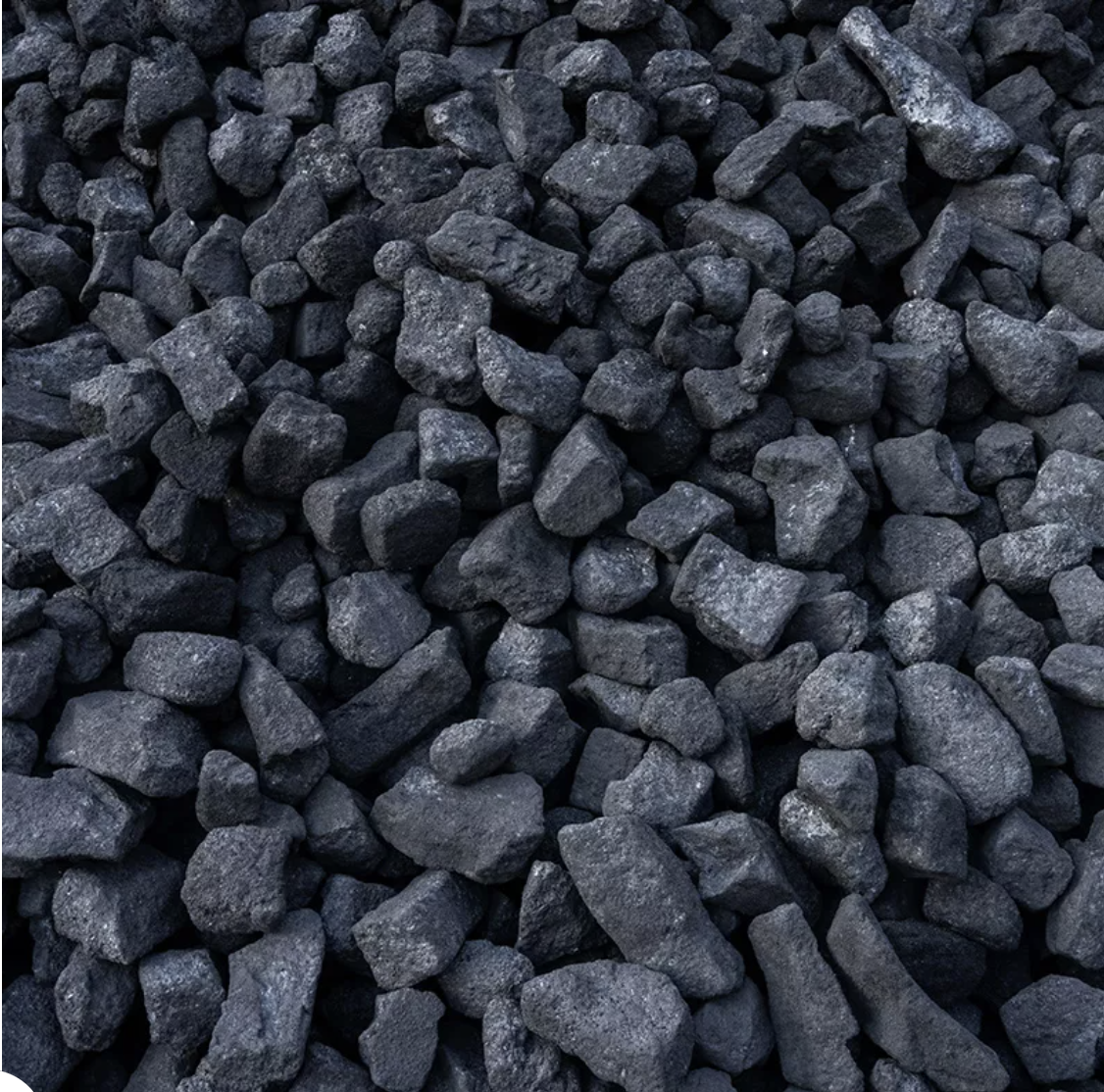
In the industrial sector, materials such as metallurgical coke—often used in steel production—play a key role. These high-performance carbon products, known for their low ash content and efficiency in industrial furnaces, help minimize energy consumption and emissions. Their use leads to cleaner and more efficient manufacturing processes.

Why Does Carbon Footprint Matter?
Impact on Climate Change
Carbon footprints are directly linked to climate change. Greenhouse gases, such as CO2 and methane, trap heat in the Earth's atmosphere, leading to higher global temperatures and extreme weather patterns. These changes disrupt ecosystems and threaten biodiversity. Understanding the carbon footprint is essential for taking action to reduce emissions and mitigate climate change.
Measuring the Carbon Footprint
The carbon footprint is usually measured in tons of CO2 equivalent (CO2e). This method allows for comparison between various greenhouse gases, adjusting for their relative warming effects. The footprint includes both direct emissions (e.g., from car exhausts) and indirect emissions (e.g., from electricity production). This metric can be calculated for individuals, businesses, or even entire countries to evaluate their environmental impact.
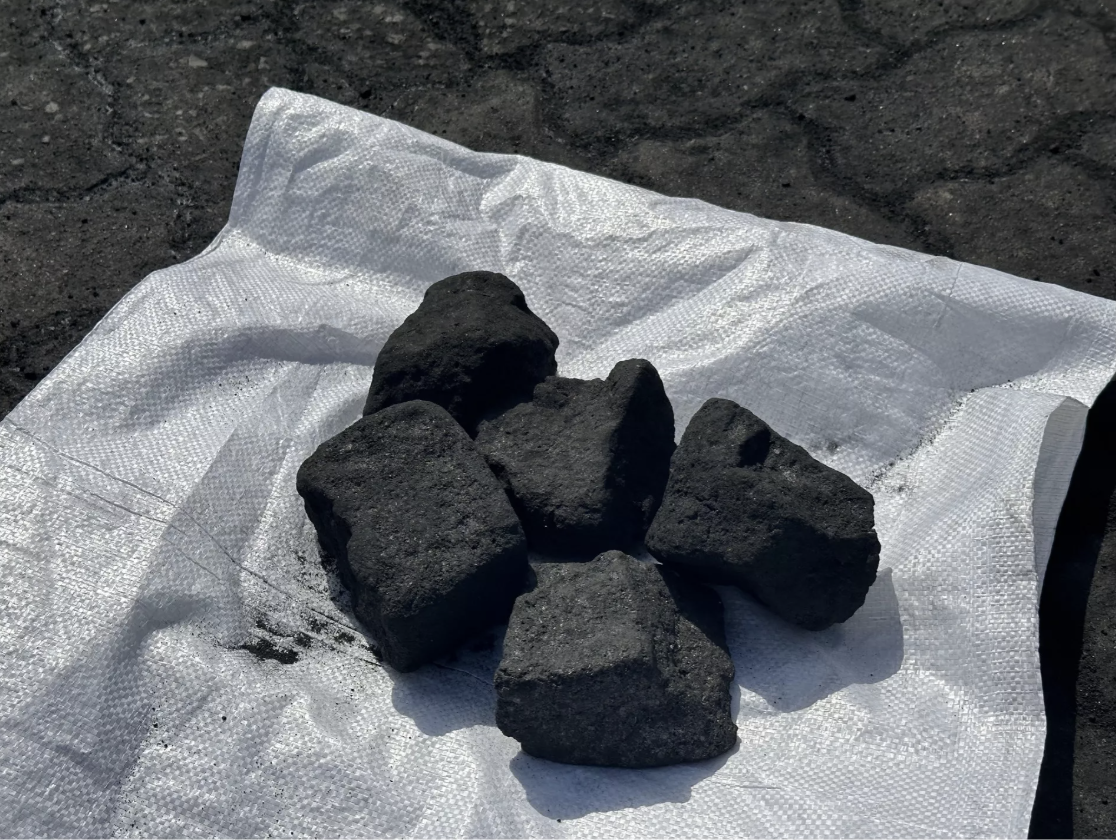
For instance, industries utilizing high-calorific materials such as foundry coke can significantly reduce their carbon footprint. These specialized products, with their low sulfur content and high energy efficiency, help lower emissions during manufacturing processes.
Personal and Societal Contributions
Everyone contributes to the carbon footprint, from the food we consume to the energy we use. Our daily actions—whether it's driving, heating our homes, or choosing what to eat—play a major role. While individuals can take action by making conscious decisions to reduce their carbon footprint, collective efforts across societies, industries, and governments can lead to significant environmental improvements. By changing habits and adopting sustainable practices, we can make a meaningful difference in reducing our global footprint.
How to Measure Your Carbon Footprint
Methods for Calculating Carbon Footprint
Several online tools and calculators help individuals and organizations measure their carbon footprint. These tools ask about lifestyle habits, such as energy usage, transportation, and waste generation, to estimate the total carbon emissions.
For example, a family of four in the United States might have a carbon footprint of about 50 metric tons of CO2 per year depending on their lifestyle choices.
The Carbon Footprint of Everyday Activities
From daily commutes to energy usage at home, each action affects your carbon footprint. For instance:
● Driving a car: The type of vehicle you drive, the distance traveled, and the fuel it consumes all influence your carbon emissions.
● Heating and cooling your home: Using energy to heat or cool your home adds to the carbon footprint, especially if the energy is sourced from fossil fuels.
In industrial contexts, products like carbon raisers, which are additives for metal production, help improve the overall efficiency of metal melting and casting processes. This reduction in energy consumption translates into a smaller carbon footprint for the manufacturing sector.
Activity | Estimated Carbon Footprint (kg CO2e) |
Driving a car (per mile) | 0.9 - 1.5 kg |
Taking a flight (per passenger, per mile) | 0.2 - 0.5 kg |
Heating a home (per year) | 4,000 - 6,000 kg |
Eating a meat-based diet (per day) | 8 - 10 kg |
Recycling one ton of paper | -550 kg (carbon offset) |
Reducing Your Carbon Footprint
Practical Tips for Individuals
Small actions taken by individuals can add up to make a significant difference in reducing carbon emissions. Some easy-to-implement tips include:
● Use energy-efficient appliances: Choosing energy-efficient light bulbs and appliances reduces electricity consumption and emissions. Over time, these adjustments help cut down on your overall carbon footprint.
● Opt for sustainable transport: Walking, biking, or using public transport instead of driving a car can significantly lower your emissions. For longer distances, consider carpooling or electric vehicles to further reduce your carbon impact.
● Adopt a plant-based diet: The production of plant-based foods typically generates fewer emissions than raising livestock. By reducing meat consumption, you can lessen your contribution to deforestation and greenhouse gas emissions.
● Recycle and reduce waste: Diverting waste from landfills cuts down on emissions from waste treatment processes. Recycling common materials like paper, plastic, and glass helps conserve energy and reduces the need for raw materials.
By adopting more efficient industrial materials, businesses can also make a positive impact. Efficient energy sources and low-emission materials can help industries improve both their economic and environmental footprints.
Strategies for Businesses
For businesses, reducing the carbon footprint involves rethinking operations:
● Sustainable energy sources: Companies can transition to renewable energy sources such as wind, solar, and geothermal. These clean energy options help reduce the reliance on fossil fuels and lower emissions.
● Supply chain management: Businesses can reduce emissions by sourcing materials sustainably and optimizing transport. This can be achieved by choosing low-carbon options for shipping and packaging and working with suppliers that prioritize sustainability.
● Corporate Responsibility: Companies can offset their emissions by investing in environmental projects, such as reforestation efforts, or by purchasing carbon credits. These steps can help mitigate the environmental impact of operations.
The Role of Government and Policy in Reducing Carbon Footprint
Global and Local Policies
Government policies play a critical role in reducing carbon emissions. Carbon taxes, cap-and-trade systems, and emission reduction goals set by international agreements like the Paris Climate Agreement are examples of how policy can reduce the collective carbon footprint. These policies encourage businesses and individuals to prioritize sustainability and limit emissions.
The Future of Carbon Footprint Regulation
As climate change accelerates, stricter regulations are likely to emerge globally. These may include more comprehensive carbon pricing, tougher regulations on industries, and incentives for individuals and companies to reduce emissions. These regulations are expected to drive further innovation in clean technology and carbon-reducing practices.

The Carbon Footprint of Products and Services
Eco-friendly Products
Consumers are increasingly choosing eco-friendly products with a smaller carbon footprint. These products are made with sustainable sourcing, production methods, and packaging. Using materials that generate fewer emissions, like low-ash foundry coke or metallurgical coke, helps industries reduce their carbon impact while maintaining product efficiency.
Life Cycle Assessment (LCA)
The life cycle assessment (LCA) is a method used to assess the carbon footprint of products from raw material extraction to end-of-life disposal. It provides a more comprehensive look at the environmental impact of products. By evaluating a product’s life cycle, companies can identify opportunities to reduce emissions at each stage of production and distribution.
Product Type | Carbon Footprint (kg CO2e per unit) | Life Cycle Stages Considered |
Electric Car | 3,000 - 5,000 | Manufacturing, use, disposal |
Plastic Water Bottle | 50 - 150 | Production, transport, disposal |
Cotton T-shirt | 2 - 5 | Farming, manufacturing, disposal |
Foundry Coke | 1,500 - 2,000 | Mining, production, transportation |
Metallurgical Steel | 1,800 - 2,500 | Mining, production, transport |
Conclusion
Reducing the carbon footprint is key to fighting climate change. Understanding its sources and adopting sustainable practices can make a big difference. Small changes in transportation, diet, and energy use help reduce emissions.
Qinxin Energy offers high-calorific foundry coke, an efficient product that helps industries lower their carbon impact. This product provides value by improving energy efficiency and reducing emissions in industrial processes.
FAQ
Q: What is a carbon footprint?
A: A carbon footprint is the total amount of greenhouse gases emitted by human activities, including CO2 and methane, which contribute to climate change. It measures the impact of daily actions like energy use and transportation.
Q: Why is it important to reduce your carbon footprint?
A: Reducing your carbon footprint helps mitigate climate change by lowering greenhouse gas emissions. This is crucial for creating a more sustainable and environmentally-friendly future.
Q: How can I measure my carbon footprint?
A: You can measure your carbon footprint using online calculators that assess activities like energy consumption, travel, and food production. These tools provide an estimate of your overall environmental impact.
Q: How do products like foundry coke help reduce carbon footprints?
A: Foundry coke has a high calorific value and low sulfur content, making it an efficient energy source in industrial processes. By using such products, businesses can lower their carbon footprint and improve sustainability.