Introduction
Carbon raisers are vital in industries like steelmaking and foundry. They help increase carbon content in molten metals, improving hardness and strength. As industrial demands grow, the need for high-quality carbon raisers rises. This article explores the uses, benefits, and how Qinxin Energy provides high-performance carbon raisers to meet these needs.
What Is a Carbon Raiser?
Definition and Core Function
A carbon raiser is a substance added to molten metal during industrial processes to increase its carbon content. The carbon raiser compensates for carbon lost during the melting process and is essential for ensuring that the final product meets the required specifications. Achieving precise carbon content is critical in applications like steelmaking and metal casting, where the final mechanical properties of the metal—such as hardness, tensile strength, and durability—are influenced by carbon levels.
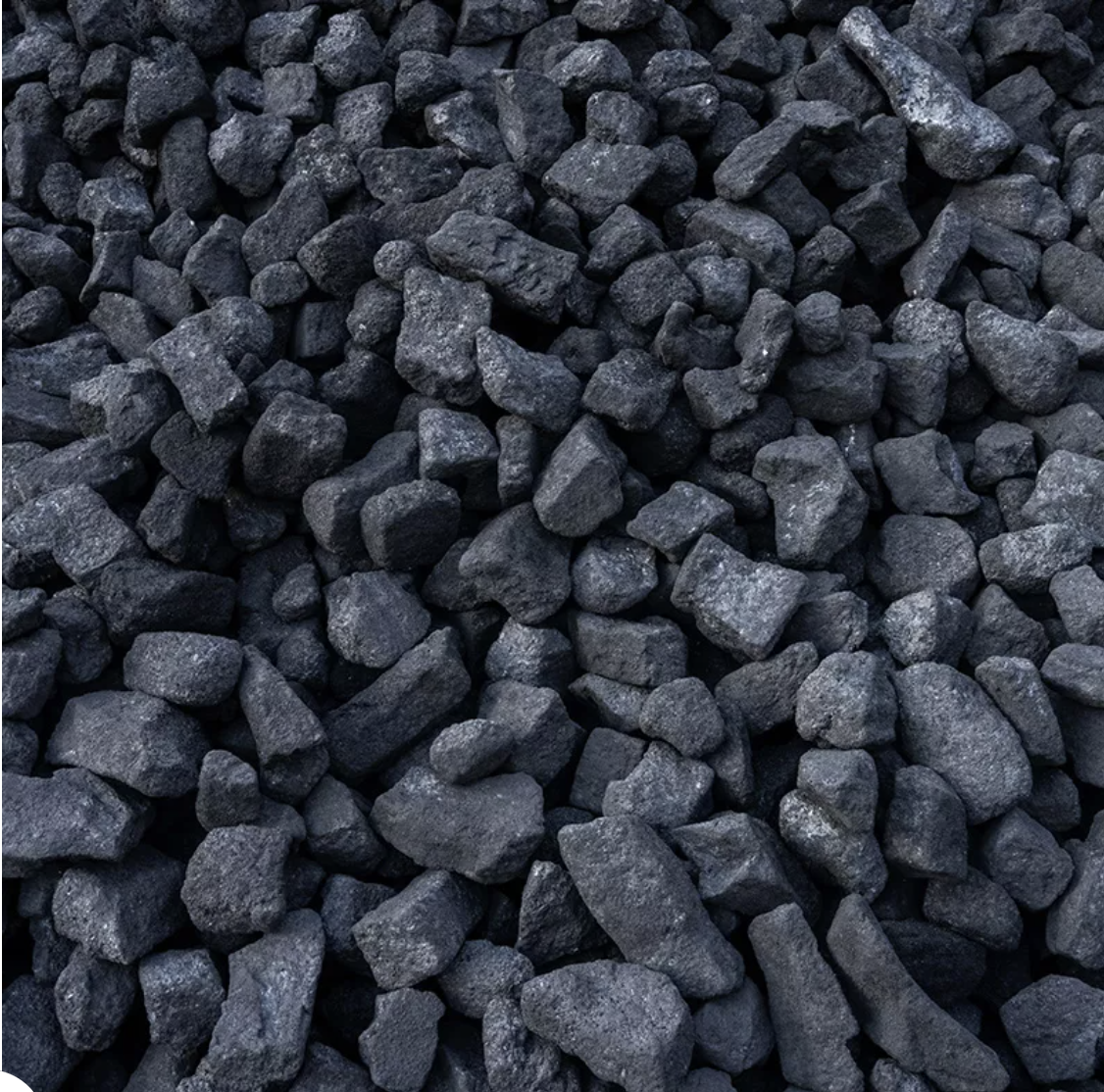
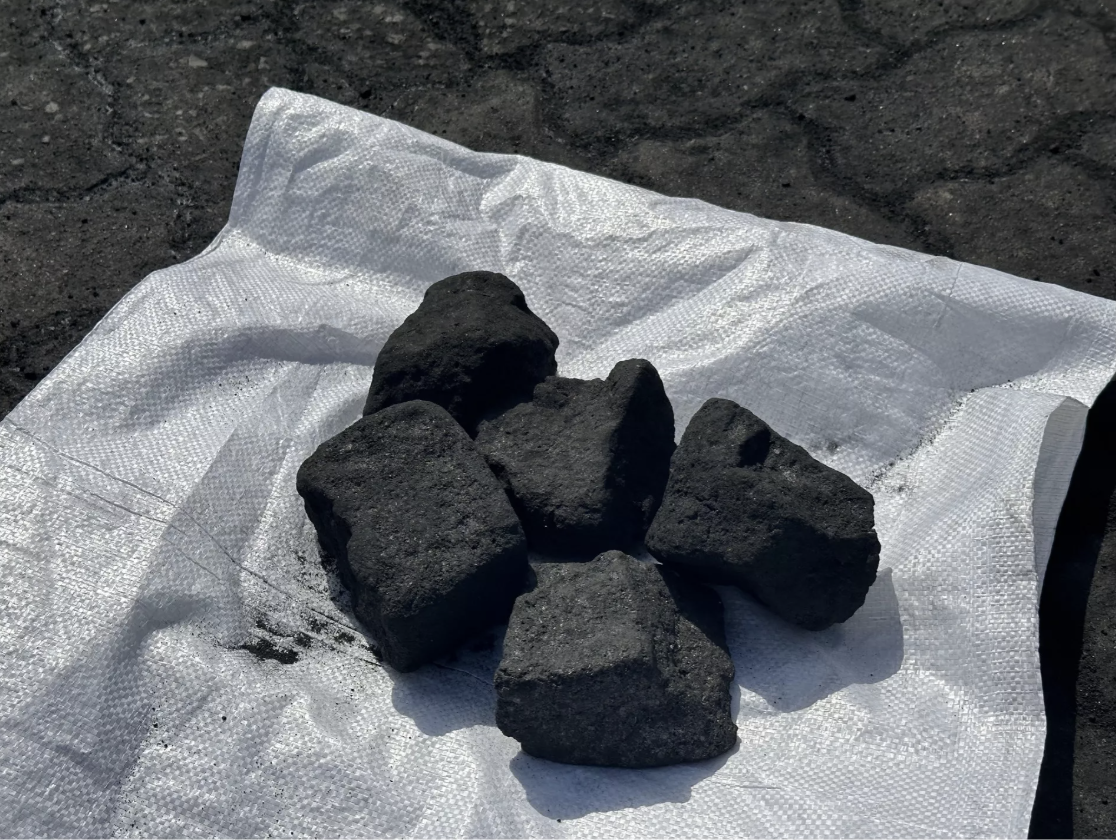
The most common carbon raisers are made from high-carbon materials such as graphitized petroleum coke, calcined petroleum coke, and anthracite coal. These materials are chosen for their ability to provide high carbon content without introducing harmful impurities like sulfur and nitrogen, which could compromise the final product’s quality.
Types of Carbon Raisers
Carbon raisers come in various grades based on the raw materials used and their intended applications. Here are some of the most common types:
● Graphitized Petroleum Coke (GPC): This is one of the highest-quality carbon raisers, known for its high carbon content (over 98%) and low sulfur content. It’s often used in high-performance applications like ductile iron production.
● Calcined Petroleum Coke (CPC): With a carbon content ranging from 98% to 99.5%, calcined petroleum coke is widely used in steel production and casting processes.
● Calcined Anthracite (CAC): A cost-effective carbon raiser, suitable for general steelmaking and casting applications. It provides high carbon content but at a lower cost compared to petroleum-based coke.
Carbon Raiser Type | Carbon Content (%) | Key Applications | Typical Uses |
Graphitized Petroleum Coke | 98% | High-performance castings, steelmaking | Ductile iron, high-carbon steel production |
Calcined Petroleum Coke | 98-99% | Steel production, foundries | Basic steelmaking, general-purpose casting |
Calcined Anthracite | 90-95% | Basic steelmaking, casting | Alloy steel production, foundry processes |
Applications of Carbon Raisers in Steelmaking
Role in Steel Production
In steelmaking, carbon raisers are essential for restoring the carbon content of the molten metal, which is crucial for producing high-quality steel. Steel production typically involves melting scrap steel in an electric arc furnace (EAF). During this process, carbon can be lost, especially as the furnace operates at high temperatures. By adding a carbon raiser, the carbon content can be adjusted to meet the required specifications.
High-carbon steel grades, such as high-carbon alloy steels and tool steels, require precise carbon control, which is why carbon raisers are indispensable in modern steel mills. They help achieve the desired carbon levels, improving the strength, hardness, and wear resistance of the final steel product.
Types of Steel and Carbon Raiser Requirements
Different steel grades require varying levels of carbon, which dictates the type of carbon raiser used:
● Carbon Steel: This type of steel requires a carbon content of around 0.1% to 2%. Calcined petroleum coke is often used due to its stable and cost-effective nature.
● Alloy Steel: Alloy steels, which contain elements like chromium and molybdenum, require precise carbon control. Graphitized petroleum coke is often used in these applications due to its high purity and low sulfur content.
Tip: For high-quality steel production, Qinxin Energy provides premium-grade graphitized petroleum coke that ensures optimal performance and high purity.

Carbon Raisers in Foundries and Metal Casting
Importance in Cast Iron Production
Carbon raisers are widely used in foundries, especially in the production of cast iron. Cast iron is produced by melting scrap iron in a furnace, and its carbon content directly impacts the metal's properties, such as hardness and wear resistance. In the case of gray iron or ductile iron, the carbon content typically ranges from 2.5% to 4%, and carbon raisers help maintain these levels during the melting process.
By adding a carbon raiser, foundries can compensate for carbon losses during melting and ensure that the molten metal retains the desired properties. This is particularly important in the production of high-quality castings used in industries like automotive manufacturing, where strength and durability are critical.
Types of Cast Iron and Their Carbon Needs
The carbon content required for different types of cast iron varies. For example:
● Gray Cast Iron: Requires a carbon content of around 3.0% to 3.6%. Carbon raisers help replenish carbon losses during melting and prevent the formation of unwanted impurities.
● Ductile Cast Iron: Requires slightly higher carbon content (around 3.6% to 3.8%) and benefits from carbon raisers that encourage the formation of spherical graphite, improving the iron's strength and toughness.
Using high-quality carbon raisers like those from Qinxin Energy ensures better control over the carbon content, resulting in superior casting quality with fewer defects.
Improving Graphite Formation in Castings
One of the key benefits of using carbon raisers in foundry applications is their ability to control the form of carbon in molten metal. For example, in ductile iron production, carbon raisers promote the formation of spherical graphite instead of flaky graphite. This process improves the strength, toughness, and ductility of the iron, making it suitable for high-performance applications.
Tip: To ensure optimal casting quality, using Qinxin Energy’s premium carbon raisers with low sulfur and nitrogen content is highly recommended, as these minimize impurities and reduce casting defects.
Industry | Application | Carbon Raiser Type |
Steel Industry | Steelmaking, high-strength steel production | Graphitized Petroleum Coke |
Foundries | Cast iron production, ductile iron casting | Calcined Petroleum Coke |
Electric Vehicles (EV) | Lightweight and high-strength components | Graphitized Petroleum Coke |
Green Steel Production | Sustainable steel production | Biocarbon-based Carbon Raiser |
Carbon Raisers in Specialized Applications
Electric Vehicle (EV) Manufacturing
With the increasing demand for electric vehicles (EVs), manufacturers are placing more emphasis on producing high-performance components that are both lightweight and strong. Carbon raisers are essential in the production of metal parts for EVs, such as motor housings, battery frames, and other critical components. These parts require precise control over the carbon content to achieve the necessary strength, durability, and lightweight properties for optimal performance.
Graphitized petroleum coke is particularly well-suited for these applications because it provides the required carbon levels without introducing harmful impurities that could affect the quality and integrity of the components. The use of carbon raisers ensures that the components are not only durable but also lightweight, contributing to the overall efficiency and performance of the EV.
Green Steel Production
The shift towards green steel production is another area where carbon raisers play a crucial role. As industries strive to reduce their environmental impact and carbon emissions, the use of renewable-based carbon raisers, such as biocarbon, is gaining traction. These carbon raisers are being utilized in electric arc furnaces (EAFs), where they help reduce the carbon emissions traditionally associated with steel production.
By incorporating biocarbon-based carbon raisers, steel manufacturers can significantly lower their carbon footprint, contributing to the growing trend of sustainable manufacturing. This move toward green steel production not only helps reduce environmental impact but also aligns with the industry's efforts to meet stricter regulations and improve the sustainability of production processes.

The Benefits of Using Carbon Raisers
Improved Steel and Iron Quality
The main advantage of using carbon raisers in steel and cast iron production is their ability to help achieve the desired mechanical properties of the final product. By precisely adjusting the carbon content in the molten metal, manufacturers can ensure that their products meet required specifications for strength, hardness, and wear resistance. Furthermore, by using high-quality carbon raisers with low levels of impurities, manufacturers can minimize the occurrence of defects such as cracks, brittleness, and reduced durability in the final product.
The consistent use of carbon raisers ensures that the final metal castings or steel products have superior mechanical properties, which are critical for industries like automotive, construction, and manufacturing.
Energy Efficiency and Cost Reduction
In addition to improving the quality of steel and cast iron, carbon raisers also contribute significantly to energy efficiency and cost reduction in metal production. Carbon raisers enable the use of more scrap steel in the melting process, which reduces the need for expensive raw materials and energy-intensive processes. By enhancing the efficiency of the melting process, carbon raisers help lower overall production costs and minimize waste.
Moreover, the ability to achieve optimal carbon content with fewer materials leads to better energy efficiency, reducing both energy consumption and costs. The use of carbon raisers in industrial production is, therefore, not only a way to improve material quality but also an important strategy for reducing operational costs and enhancing overall productivity.
Tip: To maximize cost savings, using high-quality, efficient carbon raisers helps manufacturers reduce both energy consumption and raw material costs, ultimately optimizing production processes.
Benefit | Description | Impact on Steel Quality |
Improved Mechanical Properties | Ensures the correct carbon content in steel and cast iron. | Increases hardness, tensile strength, and wear resistance. |
Energy Efficiency | Reduces melting times, leading to lower energy consumption. | Decreases overall production costs and energy consumption. |
Cost Reduction | Allows for the use of scrap steel and less pig iron. | Reduces material and operational costs, making production more affordable. |
Conclusion
Carbon raisers are crucial in steelmaking, foundry, and manufacturing industries. They adjust the carbon content in molten metals, improving steel and iron properties. Additionally, they boost energy efficiency and lower production costs. Qinxin Energy offers high-quality, low-emission carbon raisers, helping industries meet performance and sustainability goals. By choosing the right carbon raiser, manufacturers can ensure better product quality at lower costs.
FAQ
Q: What is the purpose of a carbon raiser?
A: A carbon raiser is used to increase the carbon content in molten metals, especially in steelmaking and casting, improving hardness and strength.
Q: How does a carbon raiser improve steel production?
A: Carbon raisers restore carbon levels in molten steel, enhancing its mechanical properties, such as toughness and wear resistance.
Q: Why should I choose Qinxin Energy’s carbon raisers?
A: Qinxin Energy offers high-quality, low-emission carbon raisers that improve product quality while meeting sustainability goals.
Q: What industries use carbon raisers?
A: Carbon raisers are widely used in steelmaking, foundries, and specialized applications like electric vehicle production to achieve optimal material properties.