Introduction
Have you ever wondered how foundries create high-quality metals? Foundry coke plays a crucial role.With its high carbon content and low impurities, it helps withstand extreme temperatures.
This article explains what foundry coke is used for. You'll also learn its key benefits.At Qinxin Energy, we offer high-quality foundry coke for industrial use. Learn more about our products.
What Is Foundry Coke?
Definition and Production Process
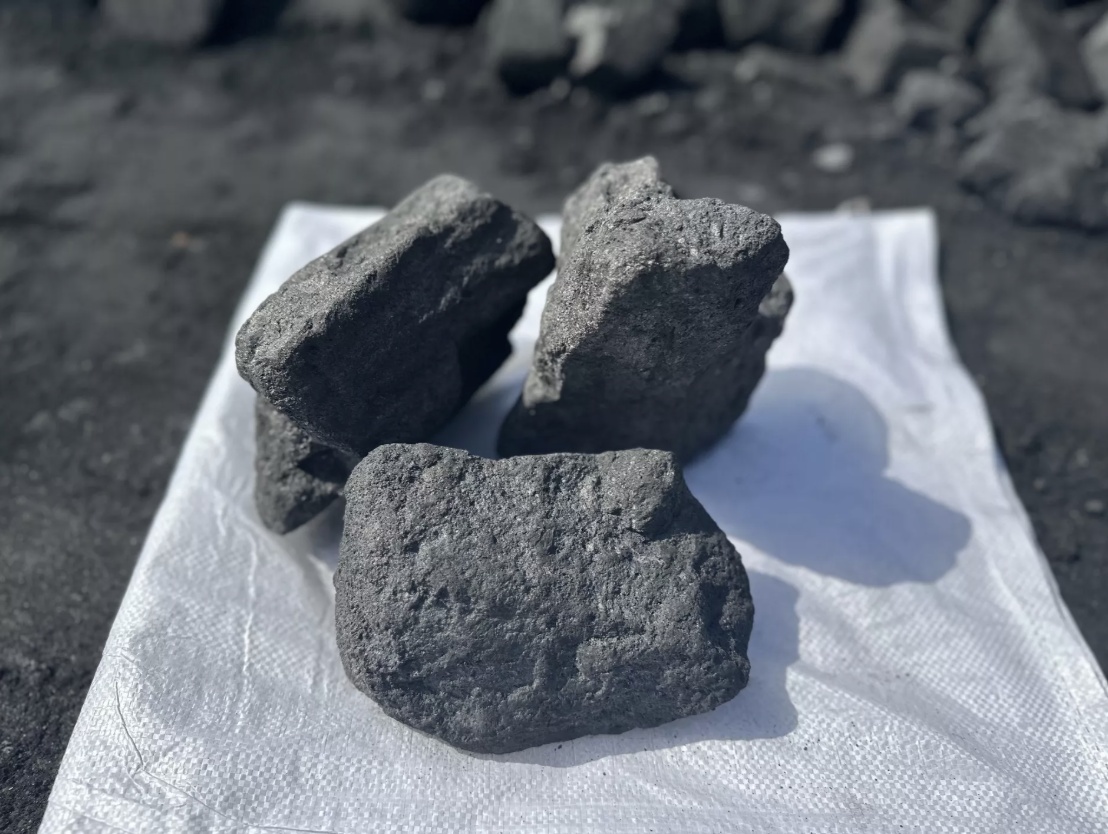
Foundry coke is a type of fuel made from coal through a process called carbonization, which involves heating coal at temperatures ranging from 1100°C to 1400°C in a coke oven. This process removes volatile compounds, leaving behind a dense, carbon-rich material. The resulting coke has high thermal conductivity, making it ideal for use in furnaces.
Foundry coke is engineered to have certain properties that make it suitable for foundry operations. Compared to other types of coke, it features larger blocks, a higher carbon content (typically above 85%), and lower levels of sulfur and ash. These characteristics ensure that it provides consistent heat and structural integrity during long-duration operations.
How Foundry Coke Differs from Other Types of Coke
While metallurgical coke is often used in steelmaking processes, foundry coke has distinct advantages in casting. Foundry coke's larger block size allows for better airflow and heat distribution, which is essential in furnaces. Additionally, the lower sulfur and ash content ensures that the casting process produces high-quality metals with minimal impurities.

Main Uses of Foundry Coke
Metal Casting
Foundry coke is primarily used as a fuel and reducing agent in metal casting. It generates heat necessary for melting metals like iron, copper, and aluminum. The heat produced by the coke is essential in maintaining molten metal at the right temperature for consistent casting quality.
Tip: Using foundry coke with a higher carbon content ensures stable heat production during the metal melting process, leading to better-quality castings.
Iron and Steel Production
In iron and steel production, foundry coke serves as both a carbon source and a structural support in the blast furnace. The carbon content of foundry coke supports metallurgical reactions, while its strength helps maintain the furnace’s integrity under extreme heat. This is crucial for producing high-quality iron and steel, as it ensures uniform heat distribution and prevents the collapse of the furnace walls.
Cupola Furnaces
Cupola furnaces, which are commonly used in iron foundries, require foundry coke to generate and maintain high temperatures over extended periods. Foundry coke's robust structure allows it to hold up under these conditions without breaking down, ensuring a continuous heat supply. This stability is crucial for producing cast iron parts consistently.
The Role of Foundry Coke in Smelting and Non-Ferrous Metal Casting
Carbon Raiser in Smelting
In smelting, foundry coke plays a crucial role as a carbon raiser. When added to molten metal, it increases the carbon content, which significantly enhances the hardness, strength, and overall quality of the metal. This makes the metal more suitable for demanding industrial applications, including the production of automotive parts, aerospace components, and other precision-engineered materials. The consistent heat and carbon content found in foundry coke help achieve the desired properties in the finished product.
Non-Ferrous Metal Casting
Foundry coke is equally important in the casting of non-ferrous metals, such as aluminum, copper, and brass. Its stable heat output and low impurity levels make it an ideal material for these processes. Foundry coke ensures consistent heat distribution throughout the casting, which is vital for producing high-quality non-ferrous metals with minimal defects. By reducing impurities like sulfur and ash, foundry coke helps to maintain the purity and strength of the final product, which is especially critical in industries that require precise metal compositions.
Application | Coke Size | Key Requirement | Effectiveness |
Metal Casting | Mixed (small + large) | Uniform melting, minimal defects, consistent quality | Ensures even heat distribution for high-quality casting |
Iron & Steel Production | Large chunks | Structural support, efficient heat, reduced slag | Improves furnace efficiency and metal quality |
Cupola Furnaces | Uniform large | High structural integrity, long-duration heat | Supports continuous heat supply for stable casting |
Carbon Additive in Smelting | Variable | Control hardness, strength, and metal properties | Allows precise control over metal properties |
Industrial Boilers | Small/medium | Efficient fuel, stable combustion, low maintenance | Provides long-lasting, efficient heating in boilers |
Why Choose Foundry Coke Over Other Fuels?
Superior Heat Stability and Efficiency
Foundry coke is favored over other fuels due to its superior heat stability. With its high fixed carbon content, it allows furnaces to reach and maintain the required temperatures quickly. This stability reduces the need for frequent temperature adjustments or additional heating cycles, which can be both time-consuming and costly. The energy efficiency provided by foundry coke makes it an excellent choice for large-scale industrial operations.
Low Impurity Levels and Environmental Benefits
One of the primary advantages of foundry coke is its low sulfur and ash content. These impurities can introduce defects into the molten metal, such as brittleness or a reduction in strength. By using foundry coke, manufacturers can achieve cleaner metals with fewer impurities, resulting in higher-quality end products. Additionally, foundry coke's combustion produces fewer harmful gases and particulate matter, offering a more environmentally friendly solution compared to other fuels.
Structural Integrity and Versatility
Foundry coke is known for its exceptional structural integrity. The large, robust blocks of foundry coke are resistant to breakdown or dust formation, which can disrupt airflow in furnaces and affect heat distribution. This characteristic ensures smoother operations and improves overall furnace performance. Furthermore, its versatility allows it to be used in both ferrous and non-ferrous metal casting. It is also useful in industrial boilers, demonstrating its adaptability across various industrial applications.

Considerations for Selecting the Right Foundry Coke
Coke Size
The size of foundry coke is a crucial factor in its performance. Larger chunks provide structural support, while smaller pieces are more efficient for heat distribution. The right coke size should be chosen based on the specific needs of your furnace or smelting process. For instance, cupola furnaces typically require larger chunks to ensure proper air circulation and consistent heating.
Ash and Sulfur Content
When selecting foundry coke, the levels of ash and sulfur are key considerations. High ash content can lead to slag buildup, which negatively impacts furnace efficiency and metal quality. Similarly, high sulfur content can make the final metal product brittle. To produce cleaner metals and reduce waste during the casting process, always select coke with low sulfur and ash content.
Consistency and Supplier Quality
It is essential to source foundry coke from reliable suppliers who provide consistent quality. Consistent quality ensures uniform production standards, reduces operational issues, and prevents potential problems during the casting process. Always request lab-tested, certified coke to ensure that it meets the necessary specifications and performance standards for your operations.
Factor | Recommended for | Why It Matters |
Coke Size | Larger pieces for structural support, smaller pieces for heat efficiency | Ensures the right balance between strength and heat efficiency |
Ash Content | Low | Reduces slag formation, improving metal purity |
Sulfur Content | Low | Prevents brittleness in metal alloys |
Carbon Content | High (>85%) | Ensures stable heat production and enhances metal hardness |
Consistency and Quality | Certified, lab-tested coke | Guarantees reliable performance and avoids production issues |
Foundry Coke vs. Metallurgical Coke: Key Differences
Foundry coke and metallurgical coke are both made from coal through carbonization, but they differ in several aspects, including carbon content, block size, and impurity levels.
Aspect | Foundry Coke | Metallurgical Coke |
Carbon Content | High (>85%) | Moderate (80-85%) |
Size | Larger blocks | Smaller pieces |
Sulfur Content | Low | Higher |
Ash Content | Low | Higher |
Heat Generation | High | Moderate to high |
Structural Strength | Superior | Adequate |
Foundry coke's high carbon content and larger blocks make it more suitable for casting operations, where structural integrity and heat stability are crucial. In contrast, metallurgical coke is used in blast furnaces for steel production, where smaller pieces are more appropriate for the smelting process.
Global Market Trends and Future Demand for Foundry Coke
Demand and Supply Dynamics
The demand for foundry coke is primarily driven by the iron and steel industry, which uses it in blast furnaces and cupola furnaces. These industries rely heavily on coke for efficient metal production. However, several factors can influence supply. Variations in coal availability and production capacity can directly impact the supply of foundry coke. Additionally, stricter environmental regulations may limit production processes, creating supply disruptions. As the global demand for metal continues to rise, these factors will play a significant role in the availability and cost of foundry coke.
Price Trends and Technological Advancements
The price of foundry coke is closely linked to the cost of raw materials, particularly coal. As coal prices increase, the cost of producing foundry coke rises, leading to higher market prices. On the other hand, advancements in production technologies have helped reduce sulfur and ash content, enhancing the quality of coke and making it more cost-effective in the long run. These innovations also help optimize coke production, which could lead to more sustainable and efficient methods in the future.
Conclusion
Foundry coke is essential in metal casting, iron, and steel production. Its consistent heat, low impurities, and strength make it ideal for various industrial uses. Understanding its applications can help optimize production and improve product quality.
At Qinxin Energy, we provide high-quality foundry coke designed to enhance metalworking processes. Our product's unique features offer reliable performance, supporting industries in achieving greater efficiency.
FAQ
Q: What is foundry coke used for?
A: Foundry coke is primarily used in metal casting, iron, and steel production. It serves as a fuel and a reducing agent, providing consistent heat and structural support for furnaces.
Q: How does foundry coke differ from metallurgical coke?
A: Foundry coke has larger blocks, higher carbon content, and lower sulfur and ash levels compared to metallurgical coke. It’s ideal for casting, while metallurgical coke is used in steel production.
Q: Why is low impurity content important in foundry coke?
A: Low impurity content in foundry coke reduces defects in molten metals. It ensures higher metal quality by minimizing sulfur, ash, and slag formation during the casting process.
Q: How do I select the right foundry coke for my operations?
A: Choose foundry coke based on size, carbon content, and impurity levels. For better heat efficiency and metal quality, opt for coke with high carbon and low sulfur and ash content.