1. Introduction
Fused alumina is a critical abrasive material used across various industries. Its hardness, durability, and thermal stability make it ideal for demanding tasks like grinding and polishing.
There are three main types of fused alumina: white, brown, and black, each offering unique advantages. In this article, we will explore the differences between these types, focusing on brown fused alumina oxide and its industrial benefits. Qinxin Energy Group specializes in providing high-quality brown fused alumina products, ensuring optimal performance and cost-effectiveness for various applications.

2. Understanding Fused Alumina: The Basics
2.1 What is Fused Alumina?
Fused alumina is a synthetic material made by melting high-purity alumina in an electric arc furnace at extremely high temperatures. Once the alumina is melted, it is cooled and crystallized to form a hard, dense material. This process produces fused alumina in several forms, with varying compositions, hardness levels, and impurities.
Fused alumina has excellent mechanical properties, including high hardness, resistance to thermal shock, and durability, making it an ideal material for abrasives and refractories. It is primarily composed of aluminum oxide (Al2O3), though the specific composition can vary based on the type—white, brown, or black.
2.2 Common Applications of Fused Alumina
Fused alumina is used in a wide range of applications, particularly where hardness and resistance to wear are critical:
Abrasives: Grinding wheels, sandblasting, polishing, and cutting tools.
Refractories: Furnace linings, kiln furniture, and insulation materials.
Surface Treatment: Metal cleaning, surface preparation, and coating applications.
Each type of fused alumina—white, brown, and black—has different performance characteristics, making them more suited to specific industries and applications. Qinxin Energy Group offers brown fused alumina products that provide excellent value and versatility across a range of industrial applications.
3. Breaking Down the Types of Fused Alumina
3.1 White Fused Alumina: Purity and Precision
White fused alumina (WFA) is the most refined form of fused alumina, with an aluminum oxide content greater than 99%. It is produced by fusing high-purity alumina powder at temperatures exceeding 2000°C, resulting in a material that is exceptionally pure and hard. WFA is typically white to light grey in color due to its high purity and minimal iron content.
Ideal Applications for White Fused Alumina:
Precision Polishing: WFA is ideal for applications that require a fine, smooth finish, such as polishing semiconductor wafers, optical lenses, and precision machinery components.
High-Grade Refractories: WFA's excellent thermal stability makes it a top choice for producing high-grade ceramic materials and refractory linings in high-temperature furnaces and kilns.
The high purity and hardness of white fused alumina make it perfect for tasks that require minimal contamination and fine control, such as electronics manufacturing and precision polishing.
3.2 Brown Fused Alumina: Durability and Cost-Effectiveness
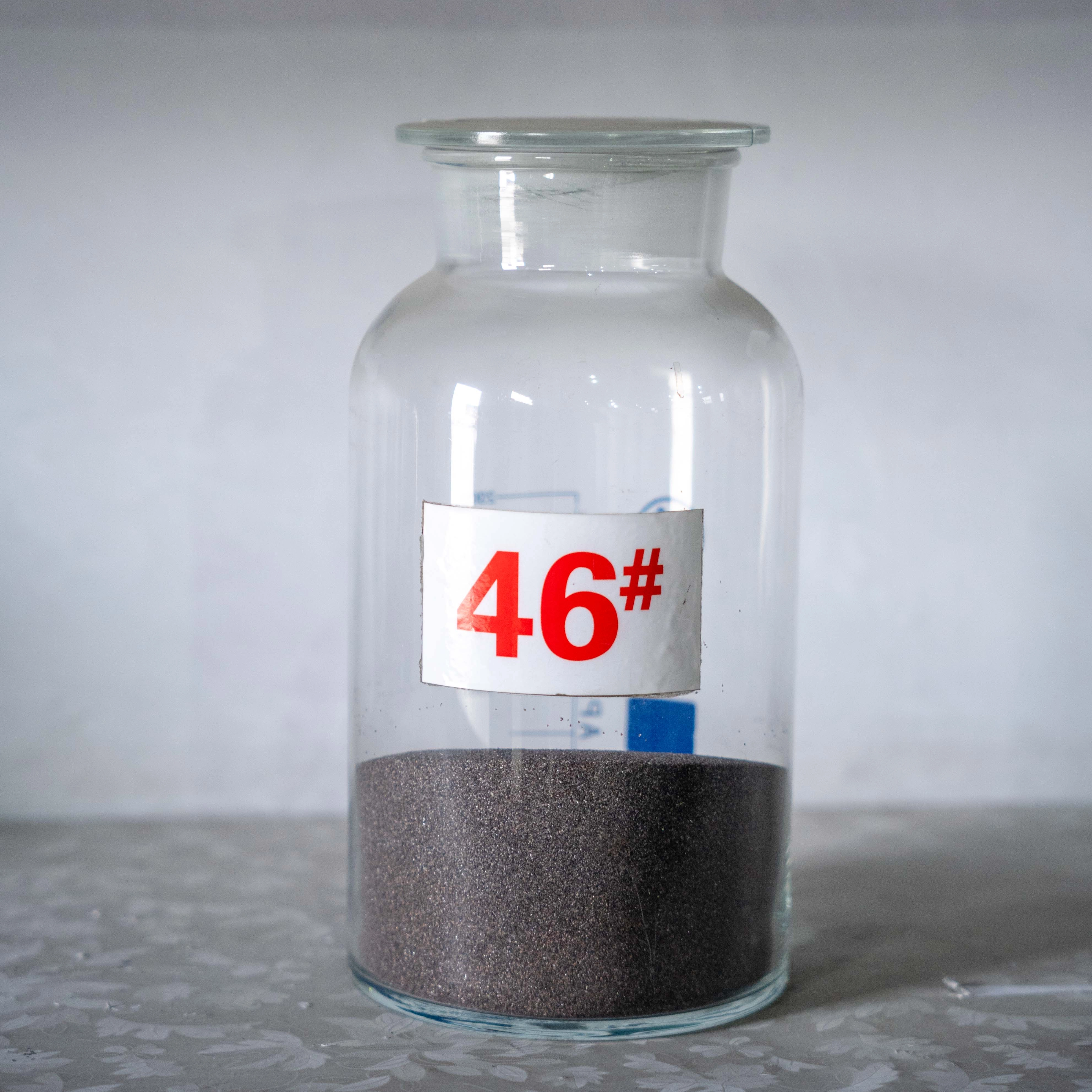
Brown fused alumina (BFA) is created by fusing bauxite, a natural aluminum-rich ore, in an electric arc furnace. BFA typically contains 75% to 95% aluminum oxide, along with impurities such as iron oxide and titanium dioxide, which give it a brownish-red color. These impurities make BFA tougher and more durable than white fused alumina, which makes it suitable for heavy-duty applications.
Ideal Applications for Brown Fused Alumina:
Grinding Wheels and Sandblasting: Brown fused alumina is commonly used in the manufacturing of grinding wheels, abrasive discs, and sandblasting media. Its toughness and resistance to impact make it suitable for heavy-duty tasks such as metalworking, stone cutting, and concrete grinding.
Surface Preparation: BFA is highly effective for rough grinding, removing rust, corrosion, and coatings from metal surfaces. It's commonly used in industrial applications where durability and performance under high impact are needed.
Brown fused alumina is ideal for operations that require strength, wear resistance, and cost-effectiveness, especially for general-purpose applications and bulk processing. Qinxin Energy Group provides high-quality BFA products that ensure consistent performance in demanding applications like sandblasting and grinding.
3.3 Black Fused Alumina: Budget-Friendly Option
Black fused alumina (BFA) is the least refined of the three types. It contains approximately 45% to 75% aluminum oxide and is characterized by a black color due to higher levels of impurities such as iron oxide and silicon oxide. While it offers lower hardness compared to white and brown fused alumina, black fused alumina is still highly durable and is used for specific applications.
Ideal Applications for Black Fused Alumina:
Rough Grinding: Black fused alumina is commonly used in heavy-duty grinding applications, such as deburring, metal cleaning, and cutting tasks that do not require high precision.
Non-Slip Flooring and Aggregates: Its toughness and abrasive properties make black fused alumina an excellent material for creating non-slip surfaces and wear-resistant aggregates for construction and flooring materials.
Black fused alumina is a more economical option compared to white and brown fused alumina, making it suitable for industries looking for budget-friendly abrasives for rough grinding and surface treatment.
4. Key Property Comparison: White vs. Brown vs. Black
4.1 Purity and Hardness
White Fused Alumina: Offers the highest purity (>99% Al2O3) and extreme hardness (Mohs 9), making it ideal for fine polishing and precision grinding.
Brown Fused Alumina: Has a lower purity (75-95% Al2O3) but is much tougher and more durable, ideal for applications that require resistance to impact and wear.
Black Fused Alumina: Contains the lowest purity (45-75% Al2O3) and offers the least hardness, making it best suited for rough applications and non-slip surfaces.
4.2 Color and Composition
White: White fused alumina is nearly pure, with minimal impurities, giving it a light color and making it ideal for sensitive applications where purity is crucial.
Brown: Brown fused alumina has a reddish-brown hue due to the presence of iron and titanium oxides, which contribute to its toughness and durability.
Black: Black fused alumina has a metallic black color and contains a higher amount of impurities such as iron oxide and silicon oxide, giving it a rougher texture.
4.3 Cost Considerations
White Fused Alumina: Due to its higher purity and more complex production process, white fused alumina is more expensive than the other two types.
Brown Fused Alumina: Offers a good balance of cost and performance, making it more affordable than white fused alumina, while still being suitable for a wide range of industrial applications.
Black Fused Alumina: The least expensive, making it an excellent option for large-scale, rough work.
| Property | White Fused Alumina | Brown Fused Alumina | Black Fused Alumina |
| Al2O3 Purity | >99% | 75-95% | 45-75% |
| Hardness (Mohs) | 9 (sharp and friable) | 9 (tough and durable) | 8-9 (least sharp) |
| Color | White to light grey | Brown to reddish-brown | Black |
| Typical Applications | Precision polishing, refractories | Sandblasting, grinding wheels | Non-slip flooring, rough grinding |
| Price Range | High | Moderate | Low |
5. Which Fused Alumina is Right for Your Needs?
5.1 Choosing the Right Material Based on Application
Precision Tasks: For applications that require minimal contamination and fine control, such as polishing semiconductor wafers or finishing optical lenses, white fused alumina is the best choice. Its high purity and fine grain structure make it ideal for achieving smooth, precise finishes.
Heavy-Duty Tasks: For more industrial applications that require durability and toughness, such as grinding metal or sandblasting concrete, brown fused alumina offers the toughness and wear resistance needed to withstand these harsh conditions. Black fused alumina is also suitable for rough grinding and non-slip flooring applications.
5.2 Economic Trade-Offs: Cost vs. Performance
When choosing between white, brown, and black fused alumina, you need to consider both your performance requirements and budget. White fused alumina offers superior precision and fine finishes but comes at a higher cost. Brown fused alumina provides a good balance of performance and cost, making it ideal for industrial and general-purpose applications. Black fused alumina, while the least expensive, is best for heavy-duty applications where precision is not a major concern.
In many industries, brown fused alumina oxide is chosen for its cost-effectiveness, especially when the performance requirements are not as stringent.
Conclusion
White fused alumina, brown fused alumina, and black fused alumina each have distinct properties that suit different applications. White fused alumina is perfect for high-precision and purity tasks, while brown fused alumina offers durability and cost-effectiveness. Black fused alumina is the most budget-friendly for rough grinding and bulk operations. Understanding their advantages and applications helps in selecting the right material for optimal performance and cost efficiency. Qinxin Energy Group provides high-quality alumina products that deliver exceptional value through performance and versatility, ensuring long-term benefits for industrial applications.
FAQ
Q: What is the main difference between white, black, and brown fused alumina?
A: The main differences lie in purity, hardness, and cost. White fused alumina is the purest and hardest, ideal for precision tasks. Brown fused alumina oxide is tougher and more cost-effective, suitable for heavy-duty applications. Black fused alumina is the least expensive and used for rough grinding.
Q: Can brown fused alumina oxide be used for precision polishing?
A: While brown fused alumina oxide is durable, it is less suitable for precision polishing compared to white fused alumina due to its lower purity and rougher texture.
Q: Why is white fused alumina more expensive than brown fused alumina oxide?
A: White fused alumina is more expensive because of its higher purity, finer processing, and better performance in high-precision tasks, which justifies the cost for specialized applications.
Q: Which type of fused alumina is best for heavy-duty grinding?
A: Brown fused alumina oxide is the best option for heavy-duty grinding due to its toughness and durability, making it ideal for industrial tasks like metalworking and sandblasting.